What makes these changes important is that they are influencing everyday decisions. People are reconsidering where they live, how they work, how they spend their free time, what they eat, how they design their homes, and how technology fits into their routines.
In 2026, Dubai’s lifestyle is becoming increasingly experience-led, wellness-focused, technology-enabled, and community-oriented. Recent developments such as Dubai Municipality’s Work from Park initiative and the growth of wellness-focused residential communities demonstrate how the city is adapting its spaces around changing lifestyles.
What Is Driving Lifestyle Changes in Dubai?
Dubai has always attracted residents who value convenience, career opportunities, entertainment, international culture, and high-quality infrastructure. However, lifestyle priorities are becoming more sophisticated.
Residents increasingly want homes that support work and relaxation, neighborhoods that offer amenities close to home, fitness options that fit busy schedules, technology that removes everyday friction, and leisure experiences that provide genuine value rather than simply looking impressive on social media.
Hybrid work has also changed how people think about location. Rather than choosing a home purely because it is close to an office, some residents are giving greater importance to space, greenery, community facilities, lifestyle amenities, and home-office functionality. Recent UAE property analysis describes this broader shift toward lifestyle-led residential choices.
For a broader look at everyday life in the city, readers can also explore our guide to living in Dubai, including lifestyle, costs, and daily life.
Top Lifestyle Trends in Dubai
1. Wellness Is Becoming Part of Everyday Life
Wellness is no longer limited to occasional gym visits or spa treatments. In Dubai, health and wellbeing are increasingly becoming part of daily lifestyle decisions.
Residents are showing greater interest in fitness studios, Pilates, yoga, recovery treatments, healthy food, mental wellbeing, preventive healthcare, and activities that help them manage stress.
Dubai’s 2026 wellness landscape includes facilities that combine fitness with recovery, nutrition, social spaces, and other lifestyle services. The official Visit Dubai 2026 City Guide highlights a wide range of wellness experiences across the city, including yoga, meditation, fitness, recovery, and healthy dining.
This reflects a broader change: wellness is increasingly being treated as an integrated lifestyle rather than a separate activity.
Our UAE wellness trends guide explores this wider shift toward physical health, mental wellbeing, preventive care, and healthier routines.
2. Smart Homes Are Becoming More Practical
Smart-home technology is becoming increasingly relevant to everyday living in Dubai. Instead of focusing only on impressive gadgets, residents are increasingly interested in technology that makes homes more comfortable, efficient, secure, and easier to manage.
Connected lighting, climate control, security systems, automated appliances, smart entertainment, and energy-management solutions can reduce repetitive tasks while improving comfort.
A 2026 report on GCC smart homes notes that connected living is increasingly being shaped by practical family routines, healthier environments, entertainment, and sustainability rather than technology for its own sake.
For homeowners planning upgrades, our guide to smart home upgrades in the UAE provides additional ideas for making residential spaces more connected.
3. Lifestyle-Led Communities Are Gaining Importance
Where people live is becoming increasingly connected to how they want to live.
Modern residential communities are competing through more than apartments or villas. Residents may also consider pools, gyms, walking routes, green spaces, coworking facilities, children’s amenities, community events, restaurants, and nearby retail when evaluating a neighborhood.
Recent UAE property research shows that lifestyle, wellbeing, and community experiences are increasingly influencing residential preferences. Developers are adding features such as wellness centers, yoga decks, running tracks, coworking lounges, and social clubs to respond to these expectations.
This is contributing to a more lifestyle-led approach to residential decision-making in Dubai.
Readers comparing neighborhoods can explore our guides to the best communities to live in Dubai and the best places to live in Dubai for expats.
4. Flexible Work Is Reshaping Daily Routines
Hybrid and remote work have changed how professionals use their homes and public spaces.
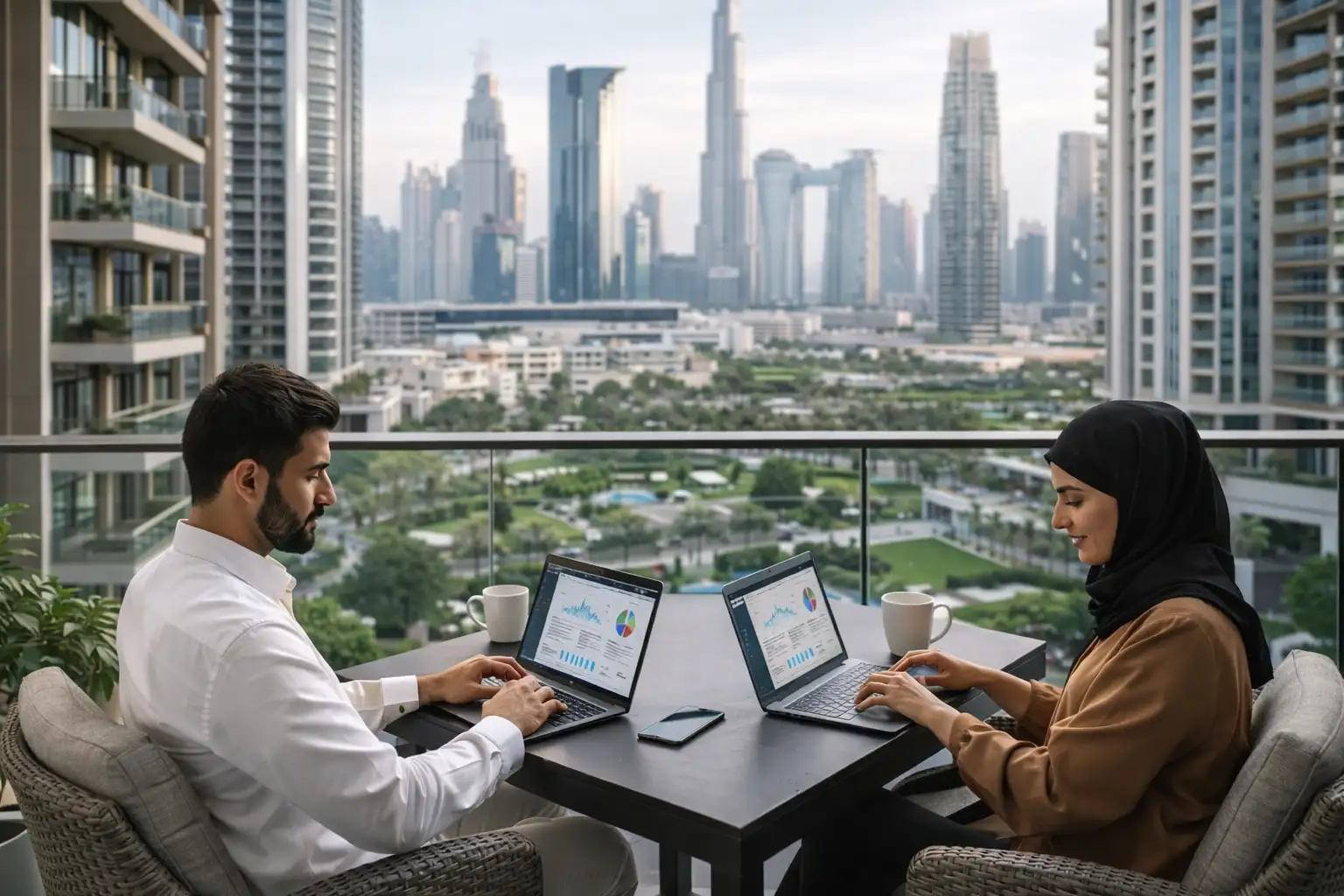
People increasingly want homes with dedicated work areas, strong internet connectivity, comfortable lighting, and quieter environments. At the same time, cafés, coworking spaces, hotels, and public areas are becoming alternative places to work.
Dubai Municipality’s Work from Park initiative provides a particularly clear example of this trend. The initiative is designed to transform public parks into spaces that combine work, connection, leisure, and wellbeing, with the first flagship location planned at Al Barsha Pond Park in 2026.
This suggests that the traditional separation between workplace, home, and leisure environment is becoming less rigid.
5. Outdoor and Walkable Experiences Are Becoming More Valuable
Dubai is known for its high-rise buildings and indoor entertainment, but residents are also showing growing interest in outdoor experiences, parks, walking routes, beaches, cycling, fitness activities, and community spaces.
The attraction is not simply exercise. Outdoor environments can provide opportunities to socialize, relax, work, spend time with family, and take a break from screen-heavy routines.
Recent initiatives around public parks and urban spaces show how Dubai is increasingly viewing outdoor areas as multifunctional lifestyle assets rather than simply recreational facilities.
6. Dining Is Moving Toward Authenticity and Experience
Dining remains a major part of Dubai’s social lifestyle, but expectations are evolving.
In 2026, local dining coverage points toward greater appreciation for authenticity, quality ingredients, calmer environments, thoughtful hospitality, and food that delivers value beyond visual spectacle. Gulf News’ analysis of UAE dining trends highlights a move toward simpler flavors, ingredient quality, craft coffee, responsible sourcing, and more relaxed dining experiences.
This does not mean Dubai is moving away from premium dining. Instead, consumers increasingly appear to distinguish between genuine quality and novelty created purely for attention.
For residents exploring the city’s food scene, our guides to the best restaurants in Dubai and the best cafes in Dubai provide useful starting points.
7. Personalization Is Becoming a Lifestyle Expectation
Dubai’s consumers increasingly expect services and experiences to fit their individual preferences.
This can be seen in personalized fitness programs, customized beauty services, tailored food experiences, smart-home settings, personalized shopping recommendations, and flexible entertainment options.
Technology makes this level of personalization easier to deliver. Apps can remember preferences, smart devices can automate routines, and businesses can use customer data to create more relevant experiences.
However, personalization works best when it improves convenience without becoming intrusive. Modern consumers increasingly value control over how their data and preferences are used.
8. Sustainable Living Is Becoming More Practical
Sustainability is increasingly becoming part of everyday lifestyle decisions in Dubai.
Residents can approach sustainable living through energy-efficient appliances, smart climate control, reduced waste, responsible shopping, reusable products, solar solutions, and more efficient use of water and electricity.
The shift is also visible at the urban level, where sustainability is being integrated into public infrastructure, residential development, transportation, and community planning.
For a broader look at this movement, our guide to green living in the UAE examines how residents are adapting their lifestyles around sustainability.
9. Home Design Is Becoming More Lifestyle-Focused
Home interiors are increasingly being designed around the way people actually use their homes.
Instead of treating rooms as isolated spaces, residents are looking for flexible environments that support work, entertainment, relaxation, family time, and socializing.
Comfortable seating, multifunctional furniture, smart lighting, natural textures, practical storage, home offices, and technology integration are becoming important considerations.
Dubai’s premium residential market also continues to influence design expectations, with luxury interiors increasingly combining sophisticated aesthetics with practical comfort.
Our guide to luxury living room decor ideas in UAE homes explores how modern interiors can balance style and functionality.
10. Entertainment Is Becoming More Experiential
Entertainment in Dubai is becoming increasingly diverse. Residents can choose from cinemas, immersive experiences, gaming centers, live events, outdoor activities, restaurants with entertainment, cultural events, and family-focused destinations.
The modern consumer is not always looking for passive entertainment. Experiences that combine social interaction, physical activity, technology, food, and memorable environments are becoming increasingly attractive.
This is especially relevant for families and younger residents who want flexible options that can be adapted to different interests.
Readers looking for more ideas can explore our guide to family entertainment places in the UAE and our coverage of entertainment trends for UAE families and young adults.
11. Local Culture and Global Influences Are Blending
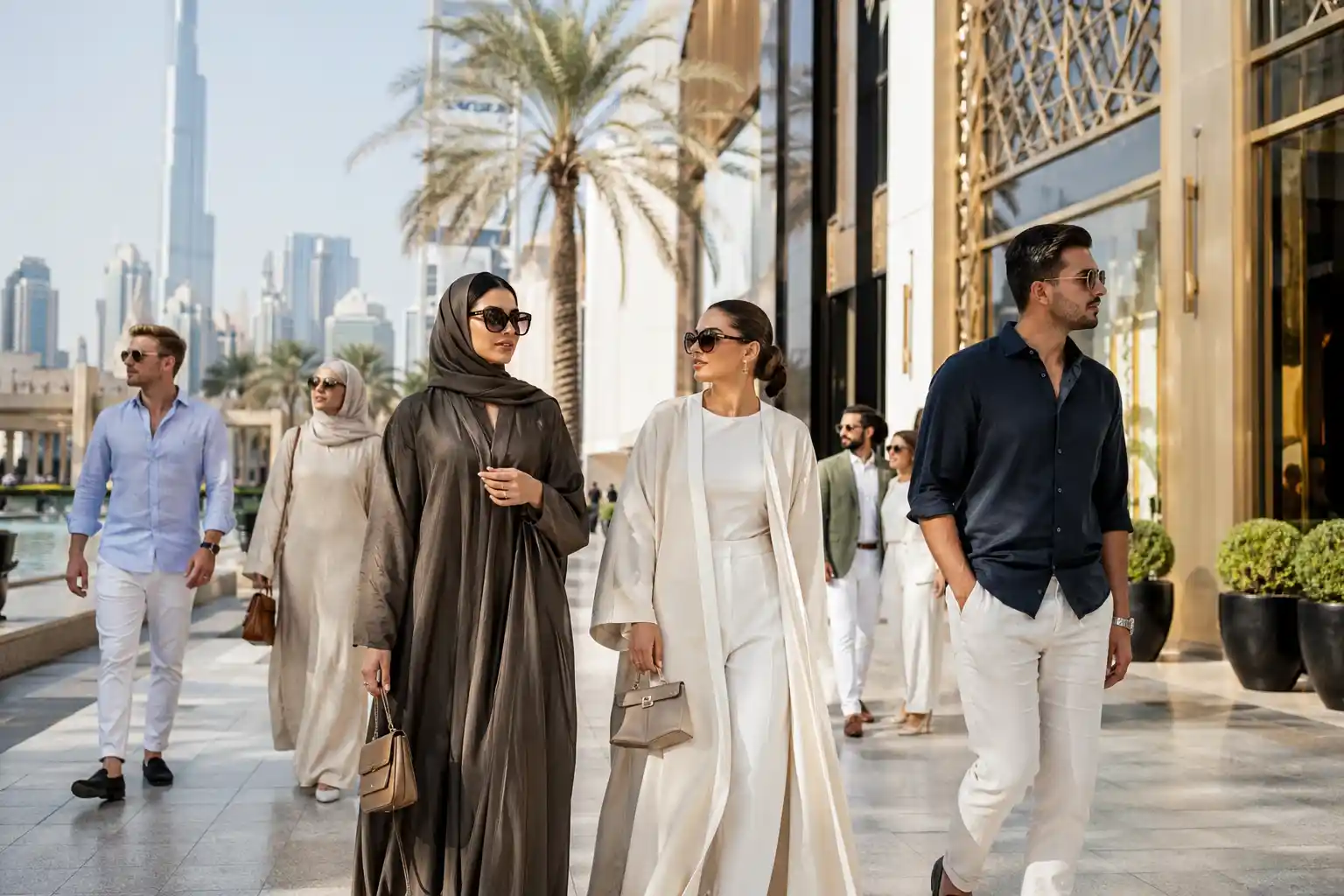
Dubai’s international population has created a lifestyle environment where different cultures, cuisines, fashion preferences, design ideas, and social habits coexist.
At the same time, modern Dubai continues to maintain strong connections with Emirati traditions and regional identity.
This combination creates a distinctive lifestyle. Residents can experience international dining and entertainment while also engaging with Emirati culture, Arabic design, local events, traditional food, and community traditions.
Our article on traditional Emirati culture and modern UAE society explores this relationship in greater detail.
12. Convenience Is Becoming a Core Lifestyle Value
Perhaps the most important lifestyle trend in Dubai is the growing importance of convenience.
Residents can order groceries, arrange transportation, book appointments, manage finances, work remotely, access entertainment, order food, and control household devices through digital services.
This does not necessarily mean people want to do everything through technology. Instead, technology is increasingly expected to remove unnecessary friction from everyday life.
This explains why mobile apps, smart homes, digital payments, delivery services, flexible workspaces, and integrated communities are becoming such important parts of modern Dubai living.
How These Trends Are Changing Modern Living in Dubai
These trends are not developing independently. They are increasingly connected.
A resident may choose a neighborhood because it offers green spaces and wellness facilities, work remotely from home or a nearby park, use smart technology to manage energy and comfort, order healthy food through an app, and spend the evening at an experiential restaurant or community event.
This creates a lifestyle ecosystem in which home, work, health, technology, entertainment, and community increasingly overlap.
That is one of the biggest differences between today’s Dubai lifestyle and older models of urban living.
What These Lifestyle Trends Mean for Dubai Residents
For residents, the growing range of lifestyle options creates more freedom to personalize everyday life.
- Choose neighborhoods based on lifestyle: Consider amenities, green spaces, schools, workspaces, and community facilities alongside rent or property prices.
- Design homes around routines: Create spaces that support work, relaxation, family time, and entertainment.
- Prioritize sustainable convenience: Use technology to improve comfort while reducing unnecessary energy and resource consumption.
- Make wellness consistent: Build sustainable fitness, nutrition, recovery, and mental wellbeing habits into everyday routines.
- Explore local experiences: Look beyond conventional tourist attractions and discover neighborhood restaurants, parks, cultural events, and community spaces.
The Future of Lifestyle Trends in Dubai
Dubai’s lifestyle will continue to evolve as technology, urban planning, demographics, work patterns, and consumer preferences change.
Several current developments suggest that future lifestyle planning will increasingly focus on integration. Homes may become smarter, neighborhoods may become more amenity-rich, public spaces may support multiple activities, and wellness may become more deeply embedded into residential and commercial environments.
The growth of flexible work and lifestyle-led communities also suggests that residents will continue to place greater value on quality of life rather than simply minimizing travel time.
At the same time, authenticity may become increasingly important. In dining, entertainment, shopping, and social experiences, consumers may increasingly prefer meaningful quality over novelty for its own sake. Current Dubai dining coverage and lifestyle reporting already point toward this shift.
Final Thoughts
The lifestyle trends shaping Dubai in 2026 reveal a city moving toward a more integrated definition of modern living.
Wellness, smart homes, flexible work, sustainable choices, lifestyle-led communities, experiential entertainment, personalized services, better outdoor spaces, and authentic dining are becoming connected parts of everyday life.
The most significant change is that residents are increasingly asking not only where they live, but also how they want to live.
As Dubai continues to invest in infrastructure, public spaces, technology, wellness, and community development, modern living is likely to become increasingly personalized, convenient, connected, and experience-driven.