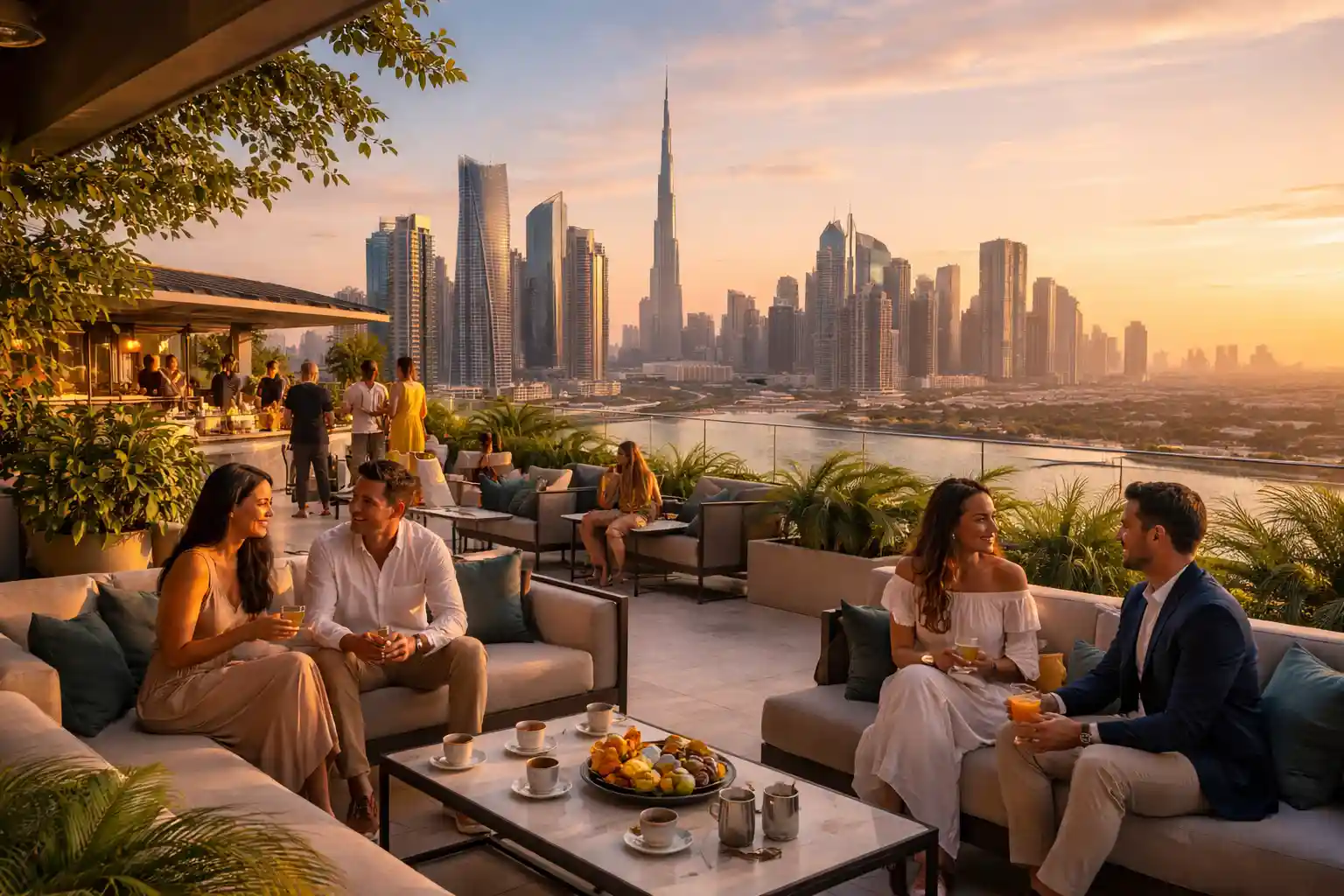
The city’s multicultural population also gives Dubai fashion an unusually broad range of influences. Emirati traditions, Arab fashion, South Asian styling, European trends, international luxury brands, and contemporary streetwear can all be seen across shopping districts, workplaces, restaurants, events, and social media. This makes Dubai more than a market that simply follows international trends; it is a place where different fashion ideas are adapted to local preferences.
Understanding these influences is useful for shoppers, fashion brands, content creators, retailers, and anyone researching the wider fashion industry in the UAE. The following guide explores the major forces shaping style in Dubai and how they are changing what people wear and buy.
Dubai Fashion Combines Global Trends With Local Identity
One of the defining characteristics of Dubai fashion is the combination of international style with regional identity. Global silhouettes and seasonal trends are widely available, but shoppers often adapt them to local weather, cultural preferences, occasions, and personal comfort.
Traditional and modest clothing remain an important part of the city’s fashion identity. At the same time, contemporary consumers have access to international tailoring, designer collections, casualwear, sportswear, resort fashion, and streetwear.
This creates a flexible fashion environment in which the same person may choose an elegant abaya for one occasion, tailored clothing for work, relaxed resort wear for a weekend, and contemporary streetwear for a casual outing.
Modest Fashion Continues to Influence Dubai Style
Modest fashion is one of the strongest influences on clothing choices in Dubai and the wider UAE. It does not have to mean traditional clothing only. Modern modest styling can include long-line dresses, wide-leg trousers, oversized blazers, flowing shirts, coordinated sets, structured abayas, and layered outfits.
Traditional Emirati clothing also remains an important cultural reference. Dubai’s official guidance describes the abaya as traditional women’s attire and the kandoora, ghutra, and agal as traditional men’s clothing.
Contemporary modest fashion builds on these cultural foundations while introducing modern cuts, fabrics, colors, and styling techniques. Neutral palettes, clean silhouettes, subtle embellishment, and premium textures are often used to create looks that feel both current and culturally appropriate.
This development is closely connected to the growth of fashion jewellery in the UAE. Jewellery can add personality to a modest outfit without requiring major changes to the clothing itself.
Luxury Retail Has a Major Impact on Dubai Fashion
Dubai’s extensive luxury retail environment has a strong influence on consumer expectations and styling. International designer labels, premium department stores, luxury malls, boutiques, and concept stores expose shoppers to new collections and global fashion directions.
Dubai’s official tourism platform describes the city’s shopping environment as ranging from major malls and exclusive retail experiences to traditional markets and smaller shopping districts. This variety means consumers can encounter luxury fashion and traditional retail experiences within the same city.
Luxury influence is also visible beyond clothing. Handbags, watches, sunglasses, footwear, jewellery, and beauty products contribute to the overall look that shoppers associate with premium Dubai style.
For businesses, this creates a market where presentation, product quality, visual identity, and customer experience can be just as important as following a particular seasonal trend.
Dubai’s Multicultural Population Shapes Fashion Choices
Dubai’s international population is another major source of fashion diversity. People from different cultural backgrounds bring their own clothing preferences, styling traditions, and shopping habits to the city.
Visit Dubai notes that around 200 nationalities are represented in the city, helping explain why clothing styles can vary so widely across different communities.
This diversity creates opportunities for both international and regional brands. Shoppers may look for modest fashion, Western workwear, South Asian occasion clothing, Arabic-inspired designs, casual streetwear, luxury accessories, or resort clothing depending on their lifestyle and social calendar.
As a result, there is no single definition of what Dubai fashion looks like. Instead, the city’s style is better understood as a collection of overlapping influences.
Climate Influences What People Wear in Dubai
Dubai’s climate has a practical effect on fashion decisions. Lightweight fabrics, breathable materials, loose silhouettes, comfortable footwear, and versatile layering are important for people who move between hot outdoor conditions and heavily air-conditioned indoor environments.
Fabrics and garments that feel comfortable during warm weather can be particularly useful for everyday wear. Relaxed trousers, flowing dresses, lightweight shirts, breathable coordinated sets, and airy outer layers can provide a balance between appearance and practicality.
The climate also affects seasonal shopping. Resort wear, beach clothing, sunglasses, sandals, lightweight accessories, and relaxed silhouettes remain relevant to Dubai’s lifestyle, while indoor environments create opportunities for layering and more structured looks.
Social Media Is Accelerating Fashion Trends in Dubai
Instagram, TikTok, Snapchat, and other social platforms have changed how fashion trends are discovered. A look worn by an influencer, designer, celebrity, or content creator can quickly become a source of inspiration for shoppers.
Social media has also changed the relationship between fashion and ecommerce. Consumers can see an outfit, search for similar products, compare brands, read reviews, and make a purchase within a relatively short journey.
This has made visual content particularly important for fashion businesses. Styling videos, outfit guides, short-form content, creator collaborations, and customer-generated imagery can help consumers understand how a product might look outside a traditional product photograph.
The trend is closely connected to the growth of influencer marketing in the UAE, where creators can introduce brands and styling ideas to highly specific audiences.
Online Fashion Shopping Is Changing Trend Discovery
Online shopping has become an important part of fashion discovery in the UAE. Shoppers can browse local and international brands, compare products, check reviews, and explore new styles without depending entirely on physical stores.
The site’s guide to online fashion shopping in the UAE explores this broader shift in consumer behavior.
For fashion brands, ecommerce also changes how trends are tested. A product can gain attention through social media, appear on an online store, generate customer feedback, and influence future collections without relying exclusively on traditional retail channels.
Convenience is also important. UAE shoppers may consider delivery speed, payment options, sizing information, return policies, product photography, and customer service alongside the appearance of a garment.
Jewellery and Accessories Are Part of Dubai’s Fashion Identity
Fashion in Dubai extends well beyond clothing. Jewellery, watches, handbags, sunglasses, belts, shoes, and other accessories can completely change the character of an outfit.
Jewellery is particularly useful because it allows shoppers to update an existing wardrobe without replacing the main clothing pieces. Delicate necklaces, bracelets, rings, earrings, pearls, and statement pieces can all be used to create different looks from similar clothing.
For a deeper look at the accessory side of the market, readers can explore jewellery brands in the UAE, women’s jewellery in the UAE, and bracelet brands in the UAE.
Customisation is another part of the market, particularly for shoppers looking for distinctive pieces. The guide to custom jewellery in Dubai provides a more focused look at this segment.
Dubai Fashion Season and Industry Events Influence Trends
Fashion events help connect Dubai’s consumers with designers, brands, buyers, and international fashion audiences. Dubai Fashion Week is one of the city’s key industry platforms, bringing designers and fashion professionals together in Dubai Design District.
The official Dubai Fashion Week platform lists its 2026 SS27 edition for October 22–26, 2026, while its program highlights designers from the UAE, wider MENA region, and international markets.
Dubai’s wider retail calendar also includes dedicated fashion seasons. The 2026 Dubai Retail Calendar identifies Spring/Summer and Fall/Winter fashion seasons, alongside major retail periods and events.
These events matter because they create opportunities for emerging designers and established brands to present new collections while giving consumers and media outlets fresh styling inspiration.
Local and Regional Designers Are Adding More Variety
International brands remain highly visible in Dubai, but local and regional designers are also important to the city’s fashion ecosystem. Designers who understand Gulf culture, modest styling, local occasions, climate, and regional preferences can create products that feel especially relevant to UAE consumers.
This includes contemporary abayas, occasion dresses, kaftans, tailored modestwear, accessories, and collections designed around Ramadan, Eid, weddings, and other social occasions.
Dubai Fashion Week’s designer programming includes homegrown UAE and wider MENA talent alongside international participants, reflecting the city’s role as a meeting point for regional and global fashion.
For shoppers researching specific segments of the local market, related resources such as fashion jewellery online in the UAE and fashion jewelry in the UAE can provide useful supporting context.
Popular Fashion Directions in Dubai
Dubai fashion is too diverse to reduce to one trend, but several broad directions help explain what is influencing current style:
- Modern modestwear: Contemporary abayas, long dresses, coordinated sets, relaxed tailoring, and elegant layering.
- Quiet luxury: Clean silhouettes, restrained colors, quality-looking fabrics, and understated accessories.
- Resort-inspired dressing: Lightweight outfits, linen-inspired looks, relaxed dresses, sandals, and holiday accessories.
- Statement accessories: Bold jewellery, distinctive handbags, watches, sunglasses, and other finishing pieces.
- Smart casual workwear: Breathable tailoring, wide-leg trousers, polished flats, shirts, and versatile dresses.
- Streetwear: Oversized garments, sneakers, denim, casual layers, and contemporary accessories.
- Occasion dressing: Embellished outfits, elegant dresses, kaftans, coordinated jewellery, and premium accessories.
These directions often overlap. A shopper might combine modest tailoring with luxury accessories, or pair a simple outfit with statement jewellery. That flexibility is one of the defining characteristics of Dubai’s fashion environment.
Fashion Trends in Dubai for Different Occasions
Workwear
Office fashion often balances professionalism with comfort. Lightweight tailoring, smart trousers, long dresses, modest shirts, structured blazers, and understated accessories can work well in professional settings.
Casual Outfits
Casual Dubai fashion includes relaxed trousers, oversized shirts, premium basics, sneakers, coordinated sets, denim, and comfortable footwear. Accessories can be used to make simple outfits feel more distinctive.
Evening Events
Dinners, hotel events, exhibitions, and social gatherings create opportunities for stronger styling. Statement earrings, jewellery, handbags, tailored outfits, dresses, and elegant footwear can all contribute to an evening look.
Ramadan and Eid
Seasonal occasions such as Ramadan and Eid have their own fashion patterns. Modest silhouettes, flowing fabrics, elegant abayas, kaftans, coordinated accessories, and occasion jewellery can become particularly relevant during these periods.
Travel and Resort Wear
Dubai’s international lifestyle also encourages resort-inspired clothing. Lightweight dresses, relaxed sets, sunglasses, sandals, breathable fabrics, and versatile accessories can transition between travel, dining, and leisure settings.
How Fashion Brands Can Respond to Dubai Trends
Fashion businesses targeting Dubai need to understand more than seasonal runway trends. Products should also reflect local climate, cultural expectations, diverse customer groups, and the way people shop online and offline.
Brands can strengthen their position by providing:
- Clear information about fabrics, fit, and sizing.
- High-quality product and lifestyle photography.
- Styling guidance for different occasions.
- Mobile-friendly ecommerce experiences.
- Transparent delivery and return information.
- Content that reflects UAE lifestyles rather than generic global campaigns.
- Social media content that demonstrates products in realistic settings.
- Collections that balance international trends with regional preferences.
Brands can also benefit from understanding related areas such as content creation trends in the UAE and social media marketing trends in the UAE.
The Future of Fashion Trends in Dubai
Dubai’s fashion market is likely to remain highly connected to digital discovery, international design, local creativity, luxury retail, and changing consumer expectations. Online shopping and social media will continue to shorten the distance between seeing a trend and purchasing it.
At the same time, local relevance will remain important. Fashion brands need to account for climate, modest styling, cultural occasions, diverse communities, and the expectations of UAE shoppers.
The city’s fashion infrastructure also continues to develop. Dubai Fashion Week’s connection with Dubai Design District and the international fashion calendar gives local and regional designers a platform for wider visibility.
For consumers, this means more choice across price points and styles. For designers and retailers, it means a market where global trends can be adapted into products that feel relevant to life in the UAE.
FAQs About Fashion Trends in Dubai
What are the main fashion trends in Dubai?
Dubai fashion currently reflects modern modestwear, luxury-inspired styling, relaxed tailoring, resort wear, statement accessories, streetwear, and occasion dressing. Consumers often combine several influences rather than following one trend exclusively.
Is modest fashion popular in Dubai?
Yes. Modest fashion is an important part of Dubai’s style environment, with contemporary abayas, long dresses, coordinated sets, layering, and relaxed tailoring appearing alongside international fashion.
How does Dubai’s climate affect fashion?
Warm weather encourages shoppers to consider lightweight fabrics, breathable materials, comfortable footwear, loose silhouettes, and versatile clothing that can work between outdoor and heavily air-conditioned indoor environments.
How does social media influence fashion in Dubai?
Social media platforms accelerate trend discovery by allowing consumers to see outfits, follow designers and creators, discover products, and move quickly from inspiration to online shopping.
Are local fashion brands important in Dubai?
Yes. Local and regional designers contribute to Dubai’s fashion ecosystem by creating products that can reflect Gulf culture, modest styling, climate, regional occasions, and local consumer preferences.
Where can shoppers discover fashion trends in Dubai?
Shoppers can discover trends through malls, boutiques, fashion events, designer collections, online stores, social media, pop-ups, and local and international fashion platforms.
Conclusion
Fashion trends in Dubai are shaped by the interaction of global design and local lifestyle. Luxury retail, modest fashion, multicultural communities, climate, social media, ecommerce, jewellery, and fashion events all contribute to the city’s distinctive style environment.
Rather than following a single fashion formula, Dubai consumers have the flexibility to combine different influences according to their culture, profession, occasion, personality, and comfort. That flexibility is one of the reasons the city’s fashion scene continues to attract designers, retailers, shoppers, and international attention.
For anyone following the UAE fashion market, the most useful approach is to look beyond individual trends and understand the wider forces shaping consumer choices. As digital shopping, local design, international fashion, and regional creativity continue to develop together, Dubai will remain an important fashion market in the UAE and the wider region.