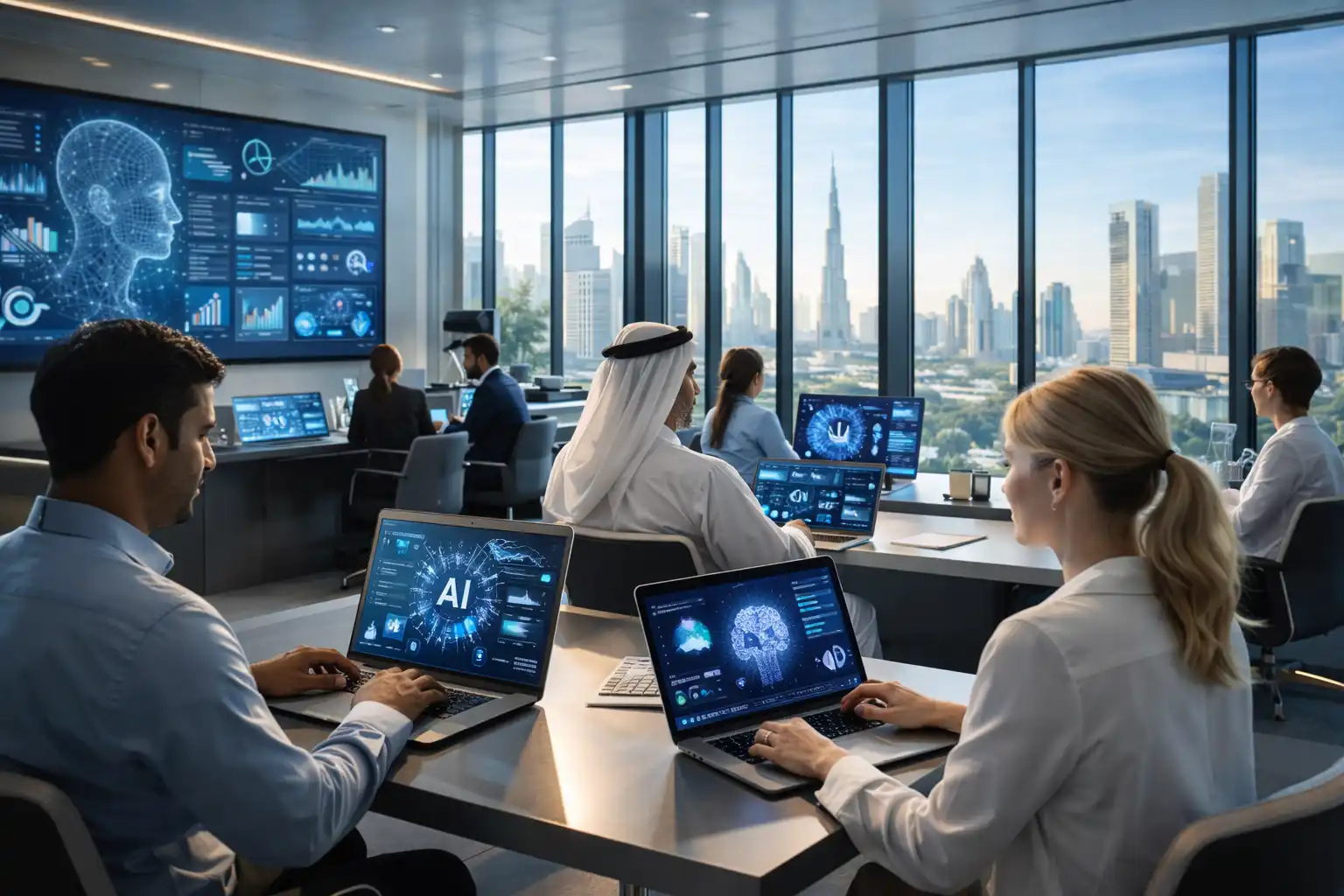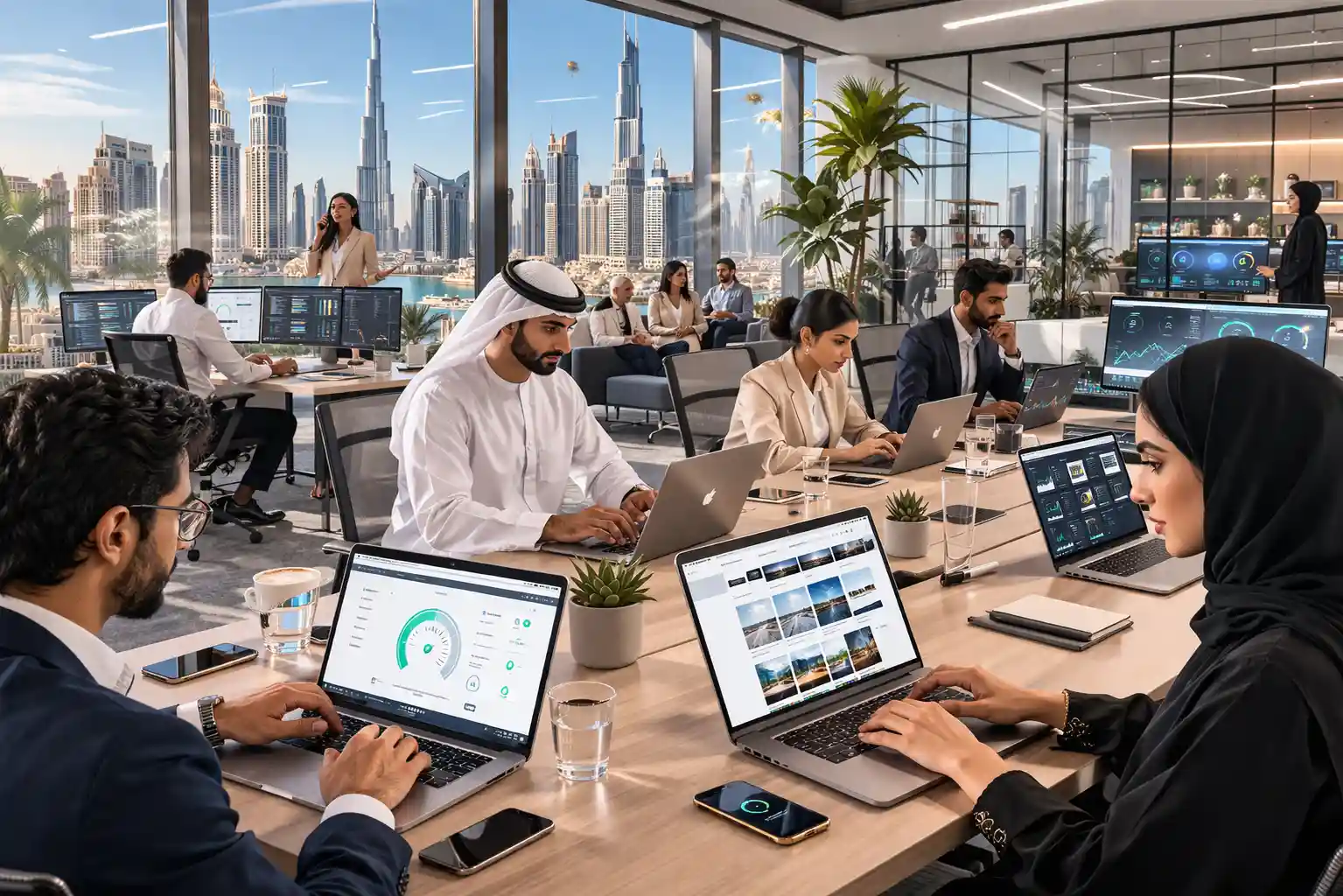
The UAE’s digital landscape is evolving rapidly, and businesses are under constant pressure to stay visually relevant, technically efficient, and user-focused. In 2026, web design is no longer just about aesthetics — it’s about performance, usability, and conversion-driven experiences. Businesses that fail to keep up with modern design expectations risk losing credibility and customers in an increasingly competitive market.
Today’s UAE users are tech-savvy, mobile-first, and highly selective. They expect fast, clean, and intuitive websites that deliver information instantly. Understanding current design trends is essential for businesses aiming to build strong digital presence and outperform competitors.
Minimalist and Clean UI Design
One of the strongest trends in UAE web design is minimalism. Clean layouts with plenty of white space, simple color schemes, and clear typography are dominating modern websites. This approach improves readability and helps users focus on key content without distractions.
Minimalist design is not just a visual choice — it directly impacts performance. Lighter designs load faster, contributing to a better user experience and supporting the principles of a high-performance website UAE.
Mobile-First and Responsive Design
With a majority of UAE users browsing on mobile devices, mobile-first design is now the standard. Websites are being designed primarily for smaller screens and then scaled up for desktops. This ensures smooth functionality, faster load times, and better usability.
Responsive design alone is no longer enough. Businesses must ensure touch-friendly navigation, fast-loading mobile pages, and optimized layouts for different devices. These factors also play a crucial role in SEO, as discussed in SEO-friendly website development in UAE.
Speed-Focused Design Elements
Website speed is now a design priority, not just a technical consideration. Designers are choosing lightweight elements, optimized media, and efficient animations to maintain fast load times.
Heavy graphics and unnecessary animations are being replaced with subtle transitions and optimized visuals. This ensures that design enhancements do not compromise performance — a key requirement for modern UAE businesses.
According to Google’s Core Web Vitals guidelines, user experience metrics such as loading speed and interactivity significantly influence rankings, making speed-focused design essential.
Interactive and Engaging User Experience
Modern websites in the UAE are becoming more interactive. Micro-interactions, hover effects, and dynamic content are being used to engage users and guide them through the website journey.
However, the focus is on meaningful interaction rather than flashy design. Every interactive element should serve a purpose, such as improving navigation or highlighting key actions. Businesses working with experienced web development companies in Dubai are leveraging these techniques to create engaging digital experiences.
Personalization and User-Centric Design
Personalization is becoming a key trend in UAE web design. Websites are increasingly tailored to user behavior, preferences, and location. This includes dynamic content, personalized recommendations, and adaptive layouts.
User-centric design focuses on understanding the audience and creating experiences that meet their needs. This approach improves engagement, builds trust, and increases conversions.
Bold Typography and Visual Hierarchy
Typography is playing a major role in modern web design. Bold headlines, clear font choices, and strong visual hierarchy help guide users through content efficiently.
Designers are using typography not just for readability but also as a visual element that enhances branding. Clear hierarchy ensures that users can quickly find important information without confusion.
Dark Mode and Modern Color Schemes
Dark mode has gained popularity among UAE users, offering a sleek and modern look while reducing eye strain. Many businesses are now offering dark mode options alongside traditional light themes.
In addition, modern color palettes with subtle gradients and soft tones are replacing overly bright or outdated designs. These color choices create a more refined and professional appearance.
Integration of AI and Smart Features
AI-driven design elements are becoming more common. Chatbots, smart search features, and automated recommendations are enhancing user experience and improving customer support.
These features are particularly useful for businesses that want to provide instant assistance and personalized interactions. As digital expectations grow, AI integration will become a standard feature in modern websites.
Design That Supports Business Growth
Web design is no longer just about looks — it must align with business goals. Every design decision should support conversions, lead generation, and customer engagement.
Businesses should regularly evaluate their websites to ensure they meet current standards. If not, it may be time to consider website redesign services in Dubai to stay competitive.
The Future of Web Design in UAE
Looking ahead, web design in the UAE will continue to evolve with advancements in technology and changing user expectations. Speed, personalization, and seamless user experiences will remain at the core of successful websites.
Businesses that stay updated with design trends and continuously improve their websites will have a significant advantage. In a market as dynamic as the UAE, adapting to change is not optional — it is essential for growth.
Final Thoughts
Web design trends in the UAE are driven by user expectations, technological advancements, and competitive pressures. From minimalist layouts and mobile-first design to personalization and AI integration, businesses must adopt these trends to remain relevant.
A modern website is more than just a digital presence — it is a powerful business tool. By embracing the latest design trends, UAE businesses can create impactful online experiences that attract, engage, and convert users effectively.