Energy is a fundamental part of modern life, powering homes, industries, and transportation systems. However, not all energy sources are the same. Understanding renewable and non renewable resources is essential for making informed decisions about energy usage, sustainability, and future planning.
In the UAE, this topic is particularly important as the country transitions from traditional energy sources to cleaner and more sustainable alternatives.
What Are Renewable Resources?
Renewable resources are natural resources that can be replenished over time. These sources are sustainable and environmentally friendly when managed properly.
Common examples include:
- Solar energy
- Wind energy
- Hydropower
- Biomass
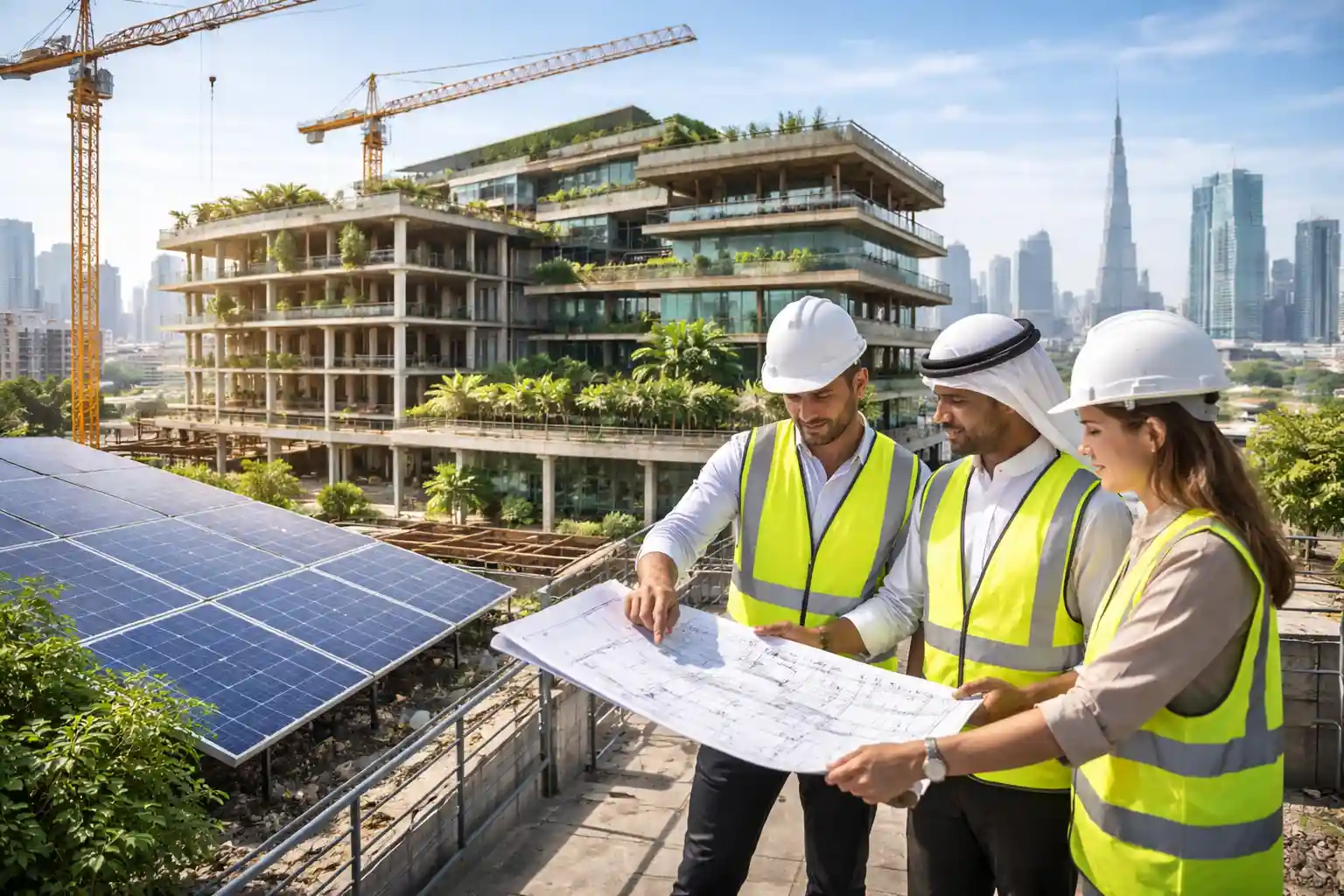
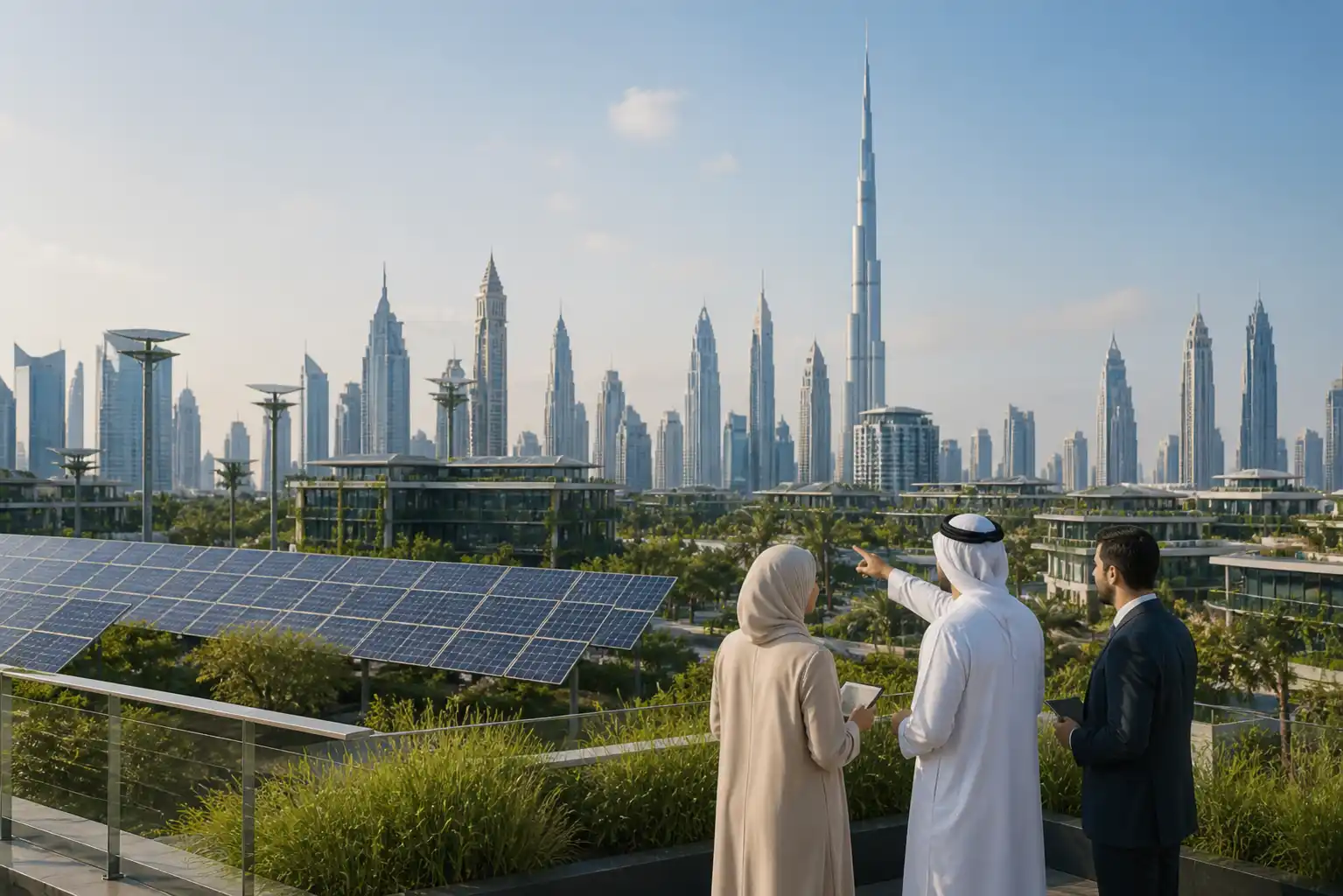
In the UAE, solar energy is the most widely used renewable resource due to the country’s high sunlight availability. This has led to increased adoption of solar energy in UAE across residential and commercial sectors.
What Are Non Renewable Resources?
Non renewable resources are finite and cannot be replenished within a short period. Once these resources are depleted, they cannot be replaced easily.
Examples include:
- Oil
- Natural gas
- Coal
The UAE has historically relied on oil and gas as primary energy sources. However, increasing awareness of environmental impact is driving a shift toward cleaner alternatives.
Key Differences Between Renewable and Non Renewable Resources
- Availability: Renewable resources are naturally replenished, while non renewable resources are limited.
- Environmental Impact: Renewable energy produces less pollution compared to fossil fuels.
- Sustainability: Renewable resources support long-term energy needs.
- Cost: Renewable energy may have higher initial costs but lower long-term expenses.
Why This Topic Matters in UAE
The UAE is actively transitioning toward sustainable energy solutions. Rising electricity and water costs in UAE and environmental concerns are encouraging the adoption of renewable energy.
Government initiatives supporting renewable energy in UAE are helping reduce reliance on fossil fuels and promote cleaner energy sources.
Examples of Renewable Energy in Daily Life
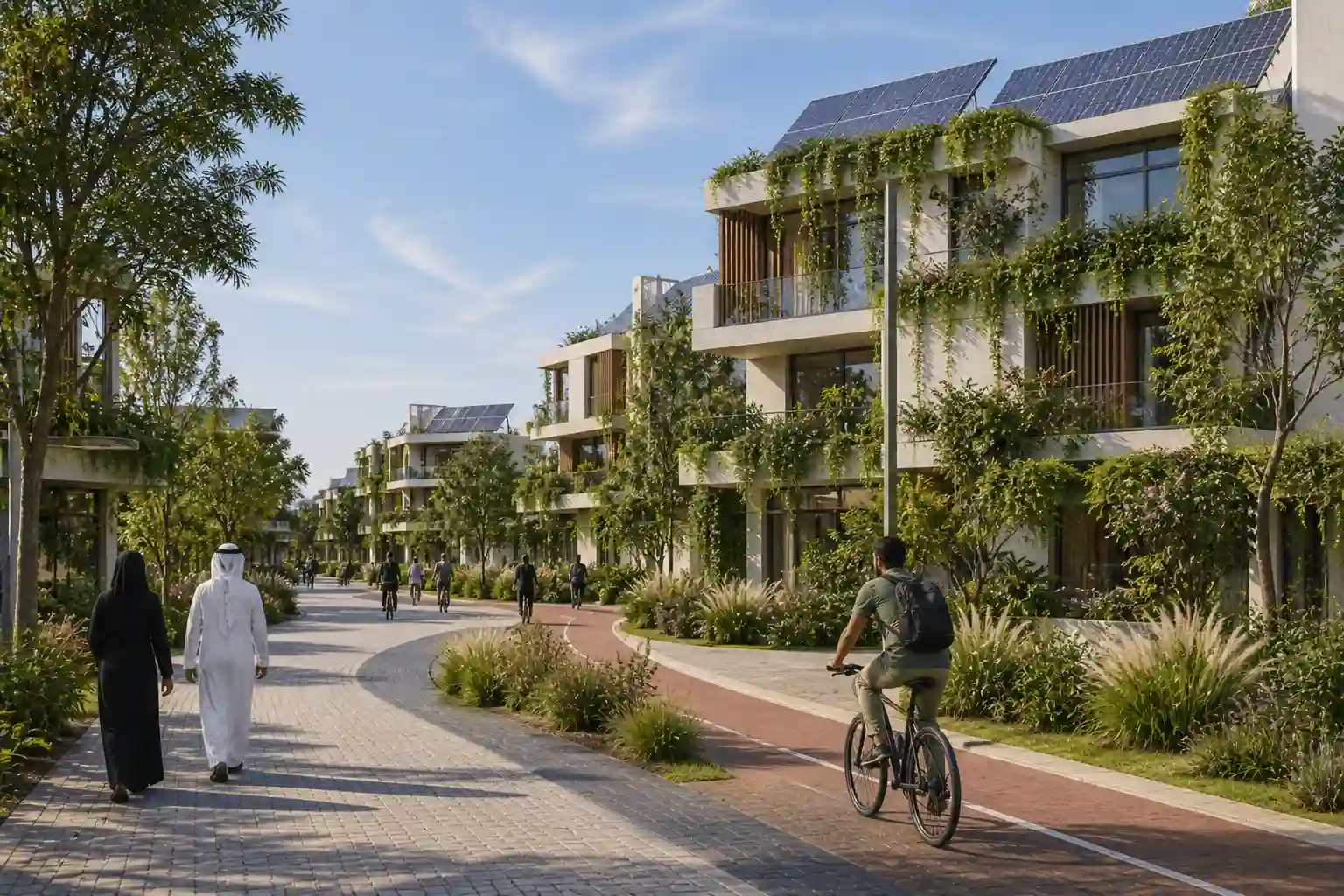
Renewable energy is becoming more visible in everyday life. Some common applications include:
- Rooftop solar systems for homes
- Large-scale solar farms
- Energy-efficient appliances
Many homeowners are installing solar system for home solutions to reduce electricity bills and improve energy efficiency.
Challenges of Renewable Energy
While renewable energy offers many benefits, it also comes with challenges:
- Initial installation costs
- Dependence on natural conditions (sunlight, wind)
- Energy storage limitations
Despite these challenges, technological advancements are making renewable energy more accessible and efficient.
The Future of Energy in UAE
The UAE is investing heavily in renewable energy projects, particularly solar power. This shift reflects a long-term strategy to diversify energy sources and reduce environmental impact.
The growing use of solar panels is a clear indicator of this transition toward sustainable energy.
According to global energy consumption insights, renewable energy is expected to play a dominant role in the future energy mix worldwide.
Why Understanding Energy Resources Is Important
Knowing the difference between renewable and non renewable resources helps individuals and businesses make smarter decisions about energy usage. It also supports environmental awareness and sustainability efforts.
As the UAE continues to grow, efficient energy management will become even more important.
Final Thoughts
Renewable and non renewable resources represent two different approaches to meeting energy needs. While non renewable resources have powered development for decades, the future is increasingly focused on renewable energy.
In the UAE, this transition is already underway. By understanding these energy types, residents and businesses can make informed choices that support both economic and environmental sustainability.