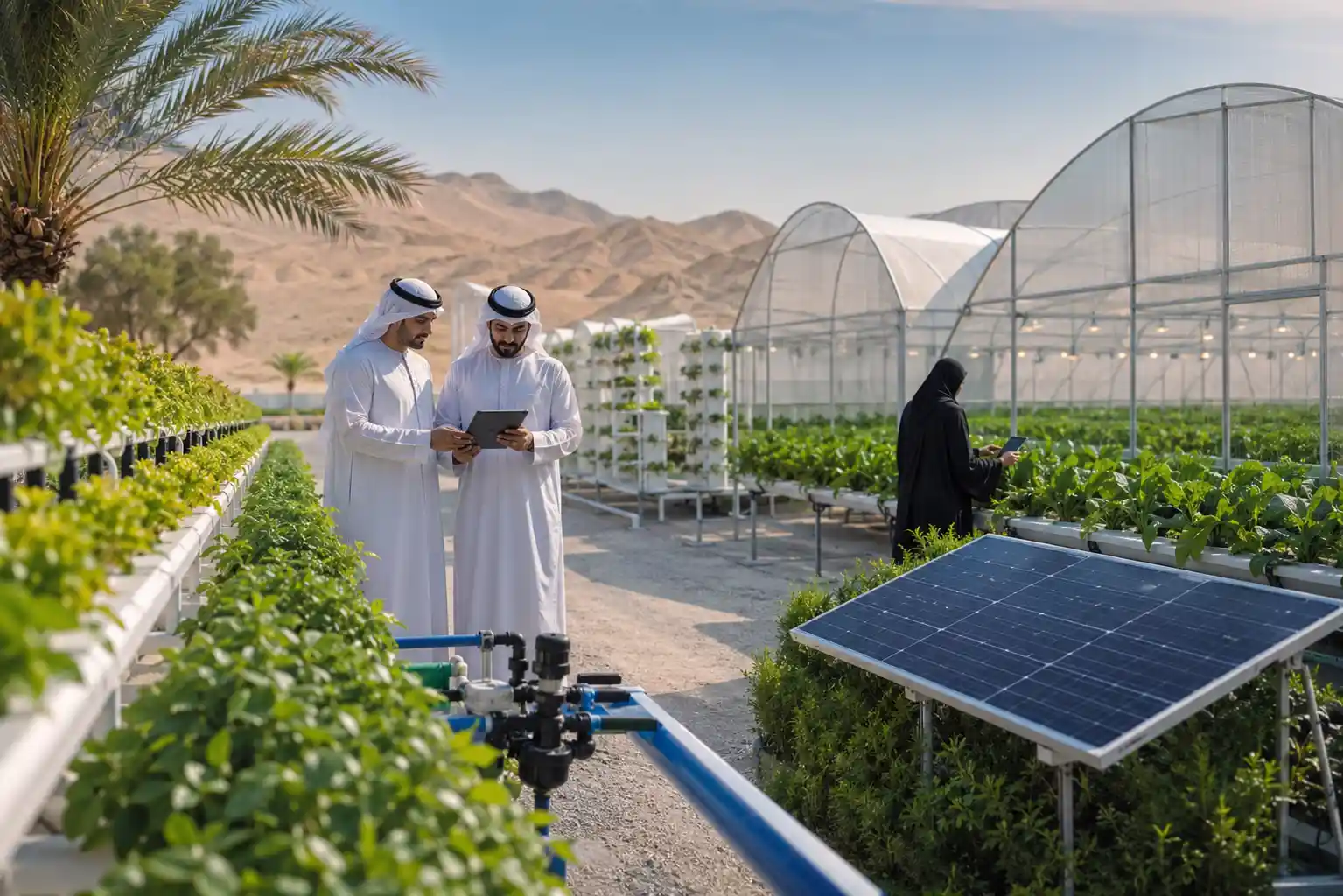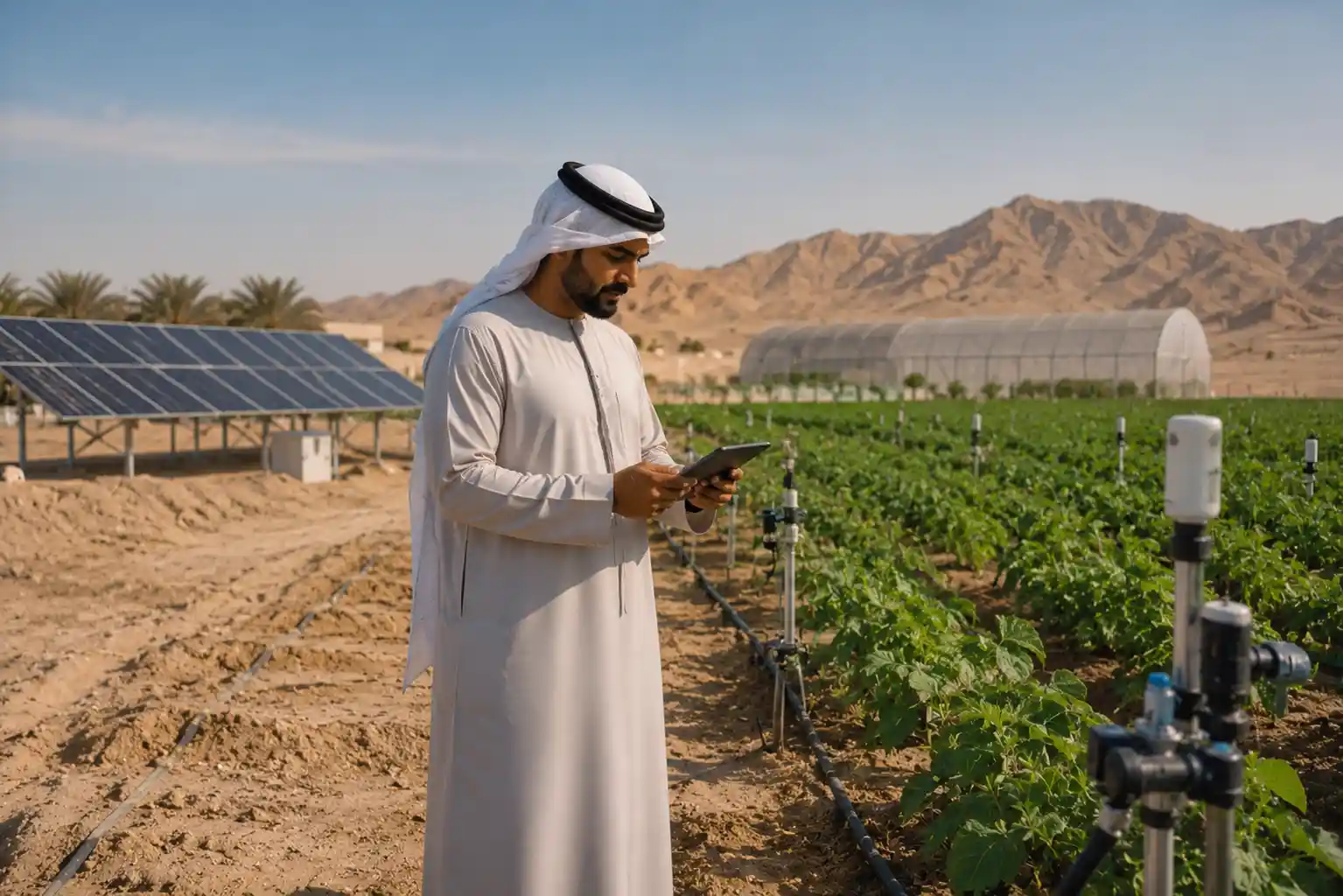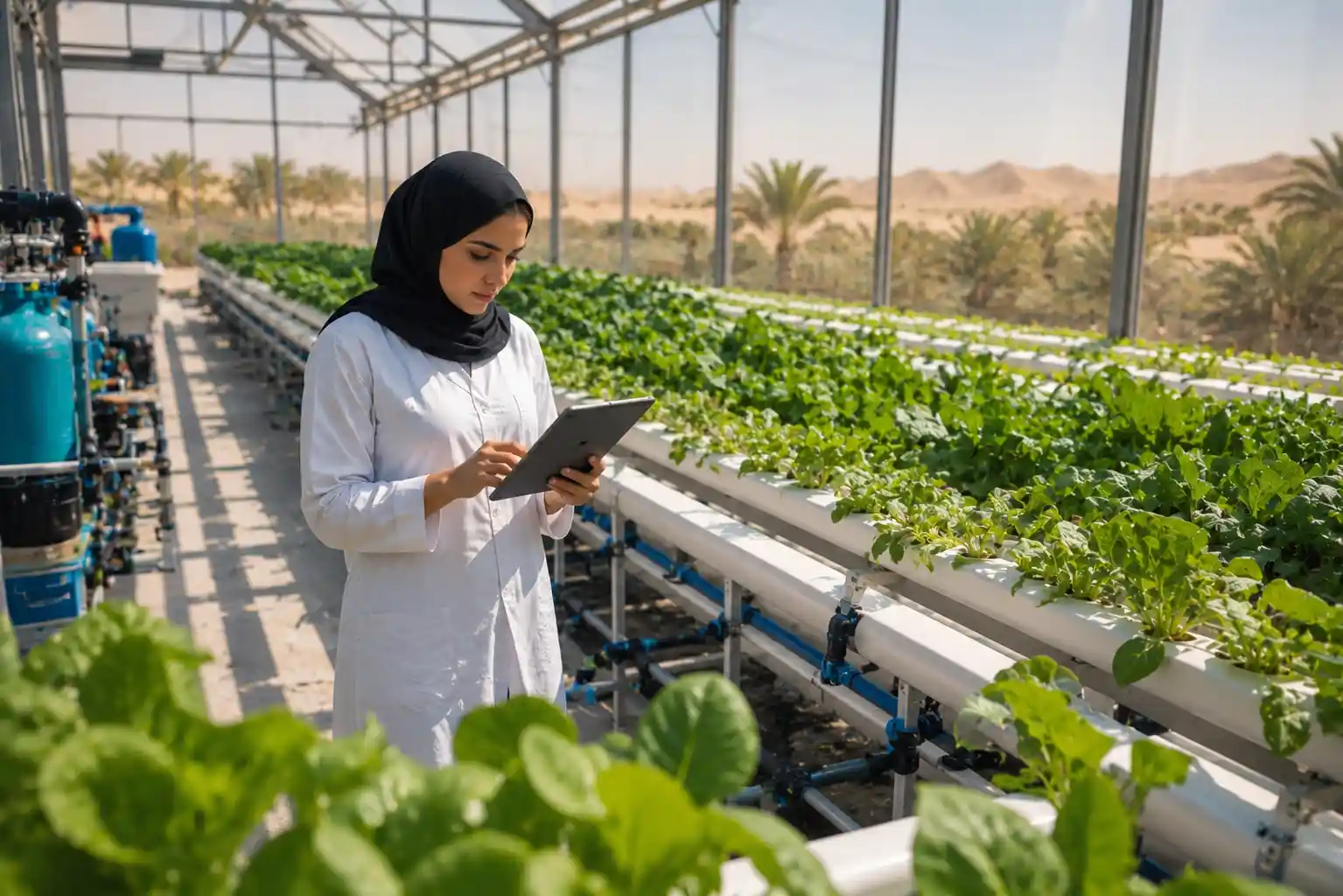
Farming in the UAE presents unique opportunities and challenges due to the country’s hot desert climate, limited rainfall, and water scarcity. Modern agricultural technologies and climate-controlled farming methods now help farmers grow many crops successfully and profitably across the Emirates.
Today, UAE farmers are using greenhouse systems, hydroponics, smart irrigation, and sustainable farming techniques to increase local food production and reduce dependence on imported produce.
Choosing the best crops to grow in UAE depends on several factors including climate conditions, water availability, market demand, and farming methods. Certain crops perform exceptionally well in controlled environments and offer strong commercial potential for modern farms.
Understanding UAE Farming Conditions
The UAE climate is characterized by:
- High temperatures
- Low annual rainfall
- Sandy soil conditions
- High evaporation rates
- Limited freshwater resources
Traditional farming methods can struggle under these conditions, but modern farming technologies are helping farmers overcome environmental limitations.
Innovative agricultural systems discussed in modern farming in UAE are making year-round crop production more achievable than ever before.
Which Soil Is Best for Growing Crops?
Most natural soil in the UAE is sandy and lacks sufficient organic matter for traditional agriculture. To improve crop productivity, farmers often enrich soil using compost, fertilizers, and organic materials.
In many commercial farms, controlled growing systems such as hydroponics and greenhouse farming reduce dependence on natural soil altogether.
For traditional soil-based agriculture, loamy soil with good drainage and nutrient retention is generally considered best for growing crops. However, soil quality can vary depending on the crop type and farming method.
Best Crops to Grow in UAE
Tomatoes
Tomatoes are among the most profitable crops grown in UAE greenhouses. They thrive in climate-controlled environments and have strong demand across supermarkets, restaurants, and hospitality sectors.
Greenhouse tomato farming allows year-round production while reducing exposure to extreme outdoor temperatures.
Modern greenhouse techniques are explored further in greenhouse farming in UAE.
Lettuce and Leafy Greens
Lettuce, spinach, kale, and arugula are highly popular crops in hydroponic and vertical farming systems.
These crops grow quickly, require relatively little space, and are ideal for controlled indoor farming environments.
Hydroponic systems also reduce water consumption significantly compared to traditional farming methods.
Related sustainable growing methods are covered in hydroponic farming in UAE.
Cucumbers
Cucumbers adapt well to greenhouse environments and are widely cultivated across UAE farms. Their fast growth cycles and consistent market demand make them commercially attractive.
Smart irrigation systems help maintain ideal moisture levels for cucumber farming while reducing water waste.
Bell Peppers
Bell peppers perform well in climate-controlled greenhouses where temperature and humidity can be carefully managed.
These crops are commonly produced for local retail markets and food service industries.
Herbs
Fresh herbs such as basil, mint, parsley, coriander, and rosemary are increasingly profitable due to rising demand from restaurants, hotels, and consumers seeking locally grown produce.
Hydroponic and indoor farming systems are particularly suitable for herb cultivation.
Strawberries
Strawberries can be successfully grown in UAE using hydroponic greenhouse systems. Controlled environments help maintain optimal growing temperatures and improve fruit quality.
Locally grown strawberries are gaining popularity as consumers increasingly prefer fresh regional produce.
Date Palms
Date palm farming remains one of the UAE’s most traditional and economically important agricultural sectors. Furthermore, Date palms are highly adapted to desert climates and require relatively lower maintenance once established.
The UAE produces a wide variety of premium dates for both local consumption and export markets.
Traditional and modern cultivation methods are discussed further in date palm farming in UAE.
Major Crops Grown in UAE
Some of the major crops grown in UAE agriculture today include:
- Dates
- Tomatoes
- Cucumbers
- Lettuce
- Eggplants
- Peppers
- Herbs
- Strawberries
- Watermelons
- Leafy greens
Many of these crops are cultivated inside greenhouses or hydroponic systems to improve productivity and reduce water consumption.
How Greenhouse Farming Supports Crop Production
Greenhouse farming is one of the most effective agricultural methods in UAE due to the ability to control environmental conditions.
Modern greenhouses can regulate:
- Temperature
- Humidity
- Light exposure
- Ventilation
- Irrigation
This creates a stable growing environment that supports higher crop yields and year-round farming.
Advanced irrigation technologies also play a major role in improving greenhouse crop efficiency.
Water-efficient systems are further explained in smart irrigation systems in UAE.
Vertical Farming for High-Value Crops
Vertical farming is becoming increasingly important in urban UAE agriculture. This method grows crops in stacked layers inside controlled indoor facilities.
Vertical farming is ideal for:
- Leafy greens
- Herbs
- Microgreens
- Small vegetables
These systems use less land and water while supporting high-density crop production.
Urban agriculture trends are also discussed in vertical farming in UAE.
Water Conservation in Crop Farming
Efficient water management is critical for profitable agriculture in the UAE. Modern farms increasingly rely on:
- Drip irrigation
- Smart irrigation systems
- Moisture sensors
- Hydroponic farming
- Water recycling systems
These technologies help farmers conserve water while maintaining healthy crop production.
Additional sustainable practices are explored in water conservation methods in agriculture.
Challenges of Growing Crops in UAE
Although modern agriculture is expanding rapidly, farming in UAE still faces several challenges.
- Extreme summer temperatures
- High cooling costs
- Limited freshwater resources
- Soil salinity
- Dependence on agricultural technology
Despite these obstacles, continued investment in agri-tech and sustainable farming is helping improve agricultural productivity across the country.
The Future of Crop Farming in UAE
The UAE’s agricultural future is strongly connected to technology-driven farming systems that improve efficiency and sustainability.
Future crop production is expected to increasingly rely on:
- Hydroponics
- AI-powered farming systems
- Climate-controlled agriculture
- Vertical farming
- Smart irrigation technologies
According to the Food and Agriculture Organization (FAO), sustainable agricultural innovation is essential for improving food security in arid climates.
Conclusion
The best crops to grow in UAE are those that can adapt well to desert conditions while benefiting from modern farming technologies and efficient water management systems.
From greenhouse tomatoes and hydroponic leafy greens to traditional date palm farming, UAE agriculture is becoming more productive, sustainable, and commercially viable.
As agricultural innovation continues expanding across the Emirates, modern farming methods will play a vital role in supporting profitable crop production and long-term food security.