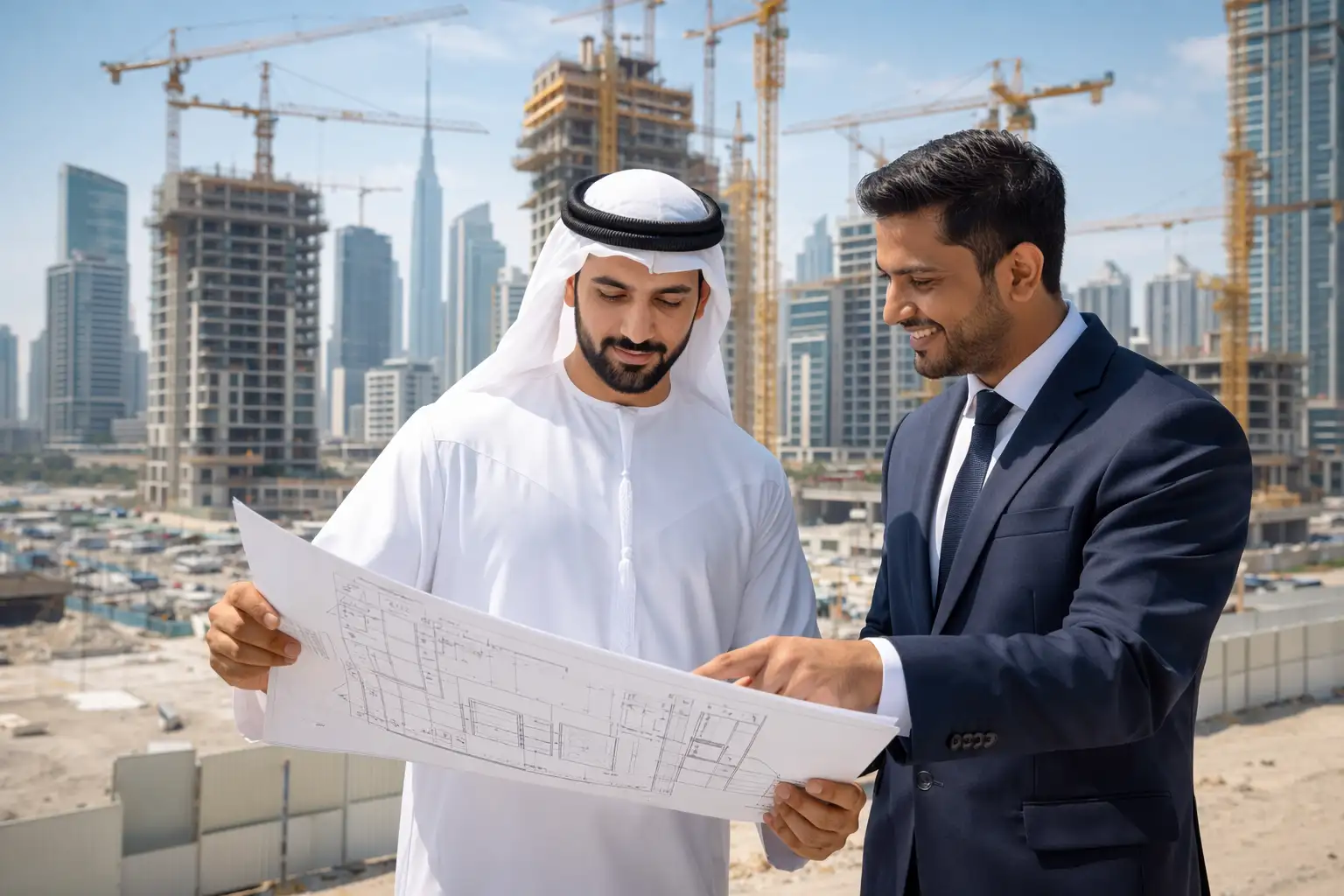
Dubai’s real estate market continues to attract homebuyers, property investors, and international residents looking for a place to live or build a property portfolio. The city offers a wide range of options, from apartments in established urban communities to villas, waterfront homes, and off-plan developments. However, choosing the right property in 2026 requires careful research rather than relying on headlines about market growth.
Buyers need to understand how location, property type, developer reliability, financing, service charges, and future supply can affect a purchase. A property that suits an investor seeking rental income may not be the best choice for a family planning to live in Dubai for several years. Similarly, an attractive off-plan payment plan does not automatically make a development a good investment.
This guide explains the main Dubai real estate market trends buyers should consider in 2026, how to compare ready and off-plan properties, and what to check before committing to a purchase. For more property and lifestyle insights, explore Emirates Beacon.
Dubai Real Estate Market in 2026: The Bigger Picture
Dubai remains an internationally connected property market with residential options across different budgets, lifestyles, and investment strategies. Its appeal includes modern infrastructure, established business districts, new residential communities, and a wide selection of apartments and villas. At the same time, market conditions can vary considerably between neighbourhoods, buildings, and property categories.
Official figures published by the Dubai Land Department showed that total real estate transactions reached AED 252 billion in the first quarter of 2026, representing a 31% year-on-year increase in value. This measure covers the department’s reported real estate transaction activity and should not be interpreted as a forecast that every property segment or individual home will appreciate.
For buyers, the practical lesson is to assess the specific property rather than assuming that overall market activity guarantees a good purchase. Compare recent transactions for similar units, review the condition and facilities of the building, and consider how easily the property could meet your needs if market conditions change.
For a broader view of the sector, read our guide to UAE real estate trends.
1. Property Prices Can Vary Significantly by Location
One of the most important considerations in Dubai real estate is the difference between neighbourhoods. Two apartments with similar floor areas may have different prices because of their building quality, views, access to transport, nearby facilities, age, maintenance standards, and demand from tenants or end users.
Established districts may appeal to buyers who value existing amenities and a more developed community. Newer areas may offer modern layouts, fresh facilities, or different price points, but buyers should investigate the surrounding infrastructure and the pace at which planned facilities are becoming available.
Look beyond the headline price
When comparing properties, examine the price per square foot alongside the total purchase price. Also consider layout efficiency, usable space, parking, storage, building facilities, maintenance history, and the condition of shared areas. A lower asking price may not represent better value if the property needs significant repairs or carries high ongoing costs.
Compare like with like
Use recent transactions for properties with similar features, rather than comparing a renovated apartment with an older unit or a premium view with a less desirable outlook. Where possible, review several comparable properties and ask a qualified local real estate professional to explain meaningful differences.
Buyers deciding where to focus their search can also explore our guide to where to live in Dubai and our article on urban living and lifestyle preferences in Dubai.
2. Off-Plan Properties Remain an Important Option
Off-plan properties are purchased before construction is complete. They can appeal to buyers who want a new home, a particular layout, or a payment schedule linked to construction milestones. However, the purchase involves a different set of risks from buying a completed property.
Before booking an off-plan unit, investigate the developer’s track record, project registration, construction progress, contractual completion date, payment schedule, and the arrangements for protecting payments. Confirm that the project and transaction documentation meet the applicable requirements.
Understand the payment plan
A payment plan that spreads instalments over time may make budgeting easier, but buyers should calculate the full financial commitment. Consider when each payment is due, whether a final or post-handover balance applies, and whether you could continue paying if your income or financial circumstances changed.
Assess delivery and resale risks
Construction schedules can change, and the market value of an unfinished property is not guaranteed to rise before completion. A buyer who expects to resell before handover should consider resale conditions, contractual restrictions, fees, market liquidity, and the possibility that comparable units may be available from the developer or other sellers.
For more detail, read our guide to off-plan properties in the UAE and our analysis of whether property investment in the UAE is worth considering in 2026.
3. Ready Properties Offer a Different Buying Experience
A ready property allows buyers to inspect the actual unit, building, and surrounding community before completing a purchase. This can make it easier to evaluate the layout, natural light, noise levels, maintenance standards, access, and the condition of shared facilities.
Ready properties may also suit buyers who want to move in sooner or assess an existing rental arrangement. However, a completed unit still requires due diligence. Buyers should check the title and ownership documentation, outstanding charges, service-charge obligations, property condition, and any tenancy arrangements that affect possession.
Inspect the unit and building
During a viewing, examine plumbing, electrical fittings, air conditioning, windows, doors, water pressure, signs of dampness, and visible maintenance issues. For villas and townhouses, check external walls, roofing where accessible, landscaping, drainage, and any shared community facilities.
Ask about planned maintenance work, building management, parking allocation, and recurring charges. If the property requires repairs, obtain estimates before deciding how much to offer.
Compare the total cost of ownership
The purchase price is only one part of the financial decision. Buyers should account for applicable transaction and registration fees, agency fees where applicable, financing costs, service charges, insurance, maintenance, utilities, and furnishing expenses. Confirm current fees and the party responsible for each cost before signing the agreement.
4. Rental Demand and Investment Returns Need Careful Analysis
Some buyers purchase property to generate rental income, while others expect to occupy the home themselves. Investors should estimate income using realistic rental assumptions and subtract ongoing expenses before assessing potential returns.
Gross rental yield is usually calculated by dividing annual rental income by the property’s purchase price and expressing the result as a percentage. Net yield provides a more useful view of the investment because it considers relevant operating costs.
For example, a property purchased for AED 1,500,000 and rented for AED 90,000 annually has a gross rental yield of 6%. This is a hypothetical illustration, not a statement about the average yield of a particular Dubai neighbourhood. The net return would be lower after applicable expenses and periods without a tenant.
Estimate achievable rent, not the highest advertised rent
Review comparable rental properties, recent leasing activity, the building’s condition, and the features that tenants value. Asking rents do not always match the amount ultimately agreed in a lease. A conservative estimate can help prevent a purchase from depending on an unrealistic income assumption.
Allow for vacancy and operating costs
Consider the possibility of vacant periods, repairs, replacement appliances, service charges, property management, and other recurring costs. If you are using mortgage finance, model repayments under different interest-rate or income scenarios and make sure you have sufficient reserves.
Our guide to UAE property investment considerations for 2026 offers additional context for assessing a purchase as an investment rather than solely as a lifestyle decision.
5. Location Should Match Your Daily Life
For buyers planning to live in Dubai, a suitable property should support everyday routines. The most attractive investment area may not be the most practical place for a household whose members need to commute to different parts of the city.
Consider travel time to work, schools, healthcare, supermarkets, parks, public transport, and other frequently used facilities. If you rely on a car, check road access and parking. If you prefer public transport, assess the actual walking distance and the route between the property and the nearest useful station or bus stop.
Consider the community, not just the building
Visit the neighbourhood at different times of day if possible. Traffic, noise, construction activity, parking availability, and the general atmosphere may differ between weekday mornings, evenings, and weekends.
For families, the availability of schools, outdoor space, and everyday services may be particularly important. For professionals, commuting time and access to work or leisure facilities may have greater influence. Buyers who are new to the city can review our guide to living in Dubai, including lifestyle and daily costs.
6. Developer Reputation and Building Quality Matter
Developer reputation is especially important for off-plan purchases, but building quality also matters when buying a completed unit. A visually appealing project may still have practical limitations involving layout, maintenance, construction quality, management, or long-term operating costs.
Research the developer’s completed projects, delivery history, quality of finishes, and approach to addressing defects. For a ready property, inspect the building’s common areas and ask about maintenance arrangements, management performance, and any major works planned for the future.
For off-plan transactions, confirm the relevant project and registration details with the appropriate authority. Do not rely solely on a sales presentation, social media content, or verbal promises about future facilities and price appreciation.
7. Financing and Mortgage Readiness
Buyers using mortgage finance should understand their borrowing capacity before making a binding commitment. The amount a lender is prepared to offer may depend on income, existing obligations, residency status, credit history, property value, and the lender’s current criteria.
Request an initial assessment from a suitable lender and account for the deposit, valuation, mortgage-related charges, registration expenses, and other costs. Approval conditions can differ, so do not assume that an indicative borrowing figure is a final loan offer.
Stress-test your budget
Consider whether you could comfortably manage the repayments if rates increased, household income changed, or an unexpected expense occurred. Buyers should also retain sufficient savings for emergencies and the costs of moving, furnishing, or maintaining the property.
If a purchase depends on financing, understand the consequences if the mortgage is delayed or declined. Review the contract and relevant deadlines with a qualified professional before committing funds.
8. Understand Ownership, Registration, and Transaction Costs
Property transactions involve documentation and formal procedures that buyers should understand before paying a deposit or signing a binding agreement. Requirements and fees may depend on the property, transaction structure, financing arrangement, and the parties involved.
Confirm the ownership and title details, the seller’s authority to transfer the property, any registered mortgage or relevant restrictions, and the process for completing registration. Where the property is tenanted, check the lease terms and clarify when possession can legally be transferred.
Buyers should obtain a written breakdown of expected transaction costs and verify current requirements with the Dubai Land Department, the relevant registration trustee, lender, or qualified legal adviser. This guide is general information, not a substitute for advice on an individual transaction.
9. New Supply and Future Development Can Affect Value
New residential projects can expand choice and introduce modern facilities, but future supply may also increase competition between landlords and sellers in particular locations. The effect depends on the number and type of homes being delivered, the pace of demand, and whether new properties compete directly with existing stock.
Before buying, investigate announced developments around the property and distinguish confirmed projects from marketing claims or speculative plans. Consider whether future construction could affect views, traffic, noise, access, or the availability of similar units.
Do not assume that a new transport connection, school, retail centre, or other planned facility will be completed on a particular date unless reliable information supports that expectation. Your purchase should make sense based on the property’s current characteristics as well as any credible long-term improvements.
10. How to Compare Properties Before Making an Offer
A structured comparison helps buyers avoid making a decision based only on presentation or emotional appeal. Shortlist several properties and assess them against the same criteria.
- Total purchase cost: Include the price and relevant transaction expenses.
- Location: Compare commute, facilities, access, and neighbourhood suitability.
- Property condition: Review the unit, building, maintenance, and likely repair costs.
- Developer or seller: Verify relevant records, reputation, and authority to sell.
- Running costs: Estimate service charges, utilities, maintenance, and management expenses.
- Financing: Confirm affordability, deposit requirements, and repayment assumptions.
- Rental potential: If relevant, use realistic rent and vacancy assumptions.
- Exit options: Consider likely resale demand and any restrictions that could affect a future sale.
- Documentation: Confirm the contractual terms, registration process, and applicable approvals.
For buyers comparing ownership with other housing options, our guide to buying versus renting in the UAE is not a property guide; instead, use the comparison framework in this article alongside your personal financial assessment before making a housing decision.
11. Common Mistakes Buyers Should Avoid
Buying based on promised appreciation
No developer, broker, or adviser can guarantee future price increases. Assess whether the property is suitable and affordable even if appreciation is slower than expected or prices temporarily decline.
Ignoring service charges
Recurring building or community charges can have a meaningful effect on the cost of ownership and rental returns. Request the current figures and clarify what services are included.
Rushing because of a promotion
Limited-time offers and attractive payment plans can create pressure to decide quickly. Take the time needed to review the contract, verify the project or title details, understand the total cost, and obtain independent advice where necessary.
Confusing advertised prices with completed transactions
Asking prices show what sellers hope to receive, not necessarily what buyers have paid. Use comparable completed transactions where available and assess whether the comparison reflects the same property type, location, size, condition, and timing.
Failing to plan for a change in circumstances
A property purchase is a significant financial commitment. Consider what would happen if you needed to relocate, change jobs, sell earlier than planned, or manage an unexpected expense. A sensible financial buffer can reduce pressure if circumstances change.
Frequently Asked Questions
Is 2026 a good time to buy property in Dubai?
There is no single answer for every buyer. The decision depends on your budget, intended use, financing, preferred location, holding period, and the specific property’s value. Review recent comparable transactions and assess affordability rather than assuming the overall market trend guarantees a profit.
Should I buy an off-plan or ready property in Dubai?
Off-plan properties may offer new designs and staged payments but involve construction and delivery risks. Ready properties can be inspected before purchase and may offer earlier occupancy, but they still require checks on condition, ownership, maintenance, and ongoing costs. The better option depends on your priorities and risk tolerance.
What costs should I budget for when buying property in Dubai?
In addition to the purchase price, consider applicable registration and transfer costs, agency fees, mortgage-related charges, service charges, insurance, maintenance, utilities, and furnishing or renovation expenses. Confirm the current amounts and who is responsible for paying them before signing.
How can I assess the rental potential of a property?
Compare recent rental evidence for similar units, estimate realistic annual rent, and subtract relevant operating costs and expected vacancy periods. Gross yield is a starting point, but net income provides a more useful picture of the property’s potential performance.
What should I check before signing a property agreement?
Confirm the property or project details, seller or developer authority, payment terms, fees, contractual deadlines, completion or handover conditions, and any restrictions that could affect ownership or resale. Seek qualified advice if a clause or obligation is unclear.
Conclusion
Dubai’s real estate market offers a wide range of opportunities for buyers in 2026, but a successful purchase depends on more than broad market growth. Location, property condition, developer reliability, financing, service charges, future supply, and the purpose of the purchase all deserve careful attention.
Compare properties using consistent criteria, verify transaction details, and build a realistic budget that includes both upfront and ongoing expenses. If you are buying for rental income, use conservative assumptions and calculate net returns. If you are buying a home, give equal weight to daily convenience, building quality, and long-term affordability.
A well-researched decision can help you choose a property that fits your needs and financial circumstances, while reducing the risk of relying on assumptions about future prices.