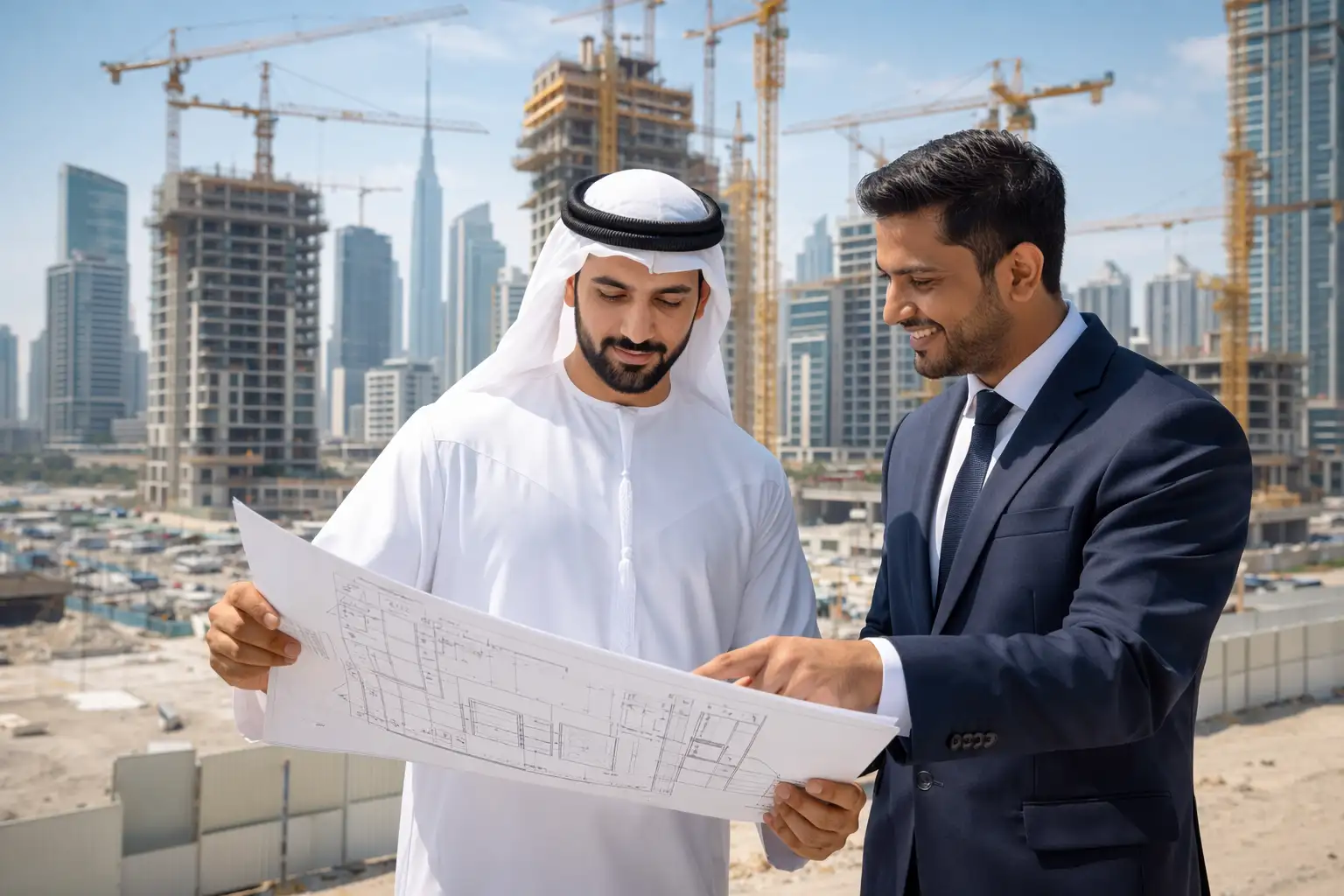
Dubai remains a major part of the UAE property conversation, but investment opportunities also exist in other emirates. The right decision depends on your financial position, preferred investment period, expected returns, and ability to manage market fluctuations. This guide explains how to evaluate property investment in the UAE in 2026 and decide whether it suits your goals.
Is Property Investment in the UAE Worth It in 2026?
Property investment in the UAE can still be worthwhile for buyers who choose assets carefully and plan for the long term. The country offers established residential markets, modern infrastructure, international business connections, and a broad range of property types. Yet strong market activity should not be confused with guaranteed profits.
Dubai recorded AED 252 billion in real-estate transactions during the first quarter of 2026, according to Dubai Land Department figures published in April. Transaction value rose 31% year on year, while transaction volume increased by 6%. These figures indicate continued market activity, but individual performance can differ significantly by neighbourhood, property type, purchase price, and delivery timeline.
For a broader overview of the sector, read our guide to UAE real estate trends. Investors should use market-wide statistics as context and then evaluate the specific property they intend to purchase.
Why Investors Consider UAE Property
1. Potential Rental Income
Rental income is one of the main reasons investors consider residential property in the UAE. Apartments, villas, and townhouses may appeal to different tenant groups, including professionals, families, and relocating residents. The strength of rental demand depends on factors such as location, transport links, nearby employment centres, amenities, property condition, and competing supply.
Before buying, compare realistic rents for similar units rather than relying only on a seller’s or agent’s projected income. Our guide to the average rent in Dubai can help readers understand the rental-market context. Treat advertised rents as a starting point and verify current, comparable figures before making an investment decision.
2. Long-Term Capital Growth Potential
Investors may also seek capital appreciation, which occurs when a property can be sold for more than its total acquisition and improvement costs. Long-term growth can be influenced by infrastructure, employment opportunities, population changes, community development, property quality, and the balance between demand and new supply.
Capital appreciation is not automatic. A property can underperform even when the wider market grows, particularly if the original purchase price is too high or similar units enter the market in large numbers. Review the Dubai real estate market trends for 2026 alongside property-specific evidence before estimating future growth.
3. A Range of Property Types
The UAE property market includes studios, apartments, family homes, villas, townhouses, commercial units, and off-plan developments. Each option has a different entry cost, tenant profile, maintenance requirement, and resale market.
A smaller apartment may suit an investor prioritising rental demand and a lower initial purchase price. A villa may appeal to family tenants or buyers seeking a larger asset, but its maintenance costs and initial capital requirement can be higher. Commercial property has a different risk profile and requires careful analysis of lease terms, tenant quality, and business demand.
Which UAE Location Is Best for Property Investment?
There is no single best location for every investor. A suitable area should match your budget, target tenant, investment horizon, and preferred balance between rental income and capital growth.
Dubai
Dubai offers a diverse property market, from central business and lifestyle districts to suburban communities and emerging development areas. Investors should compare access to employment centres, public transport, schools, retail facilities, and other amenities with the property’s purchase price and expected rent.
Explore our guide to where to live in Dubai to understand how location and lifestyle needs differ across communities. Investors should also review Dubai’s residential communities and compare the characteristics of areas that attract their intended tenant group.
Abu Dhabi
Abu Dhabi may appeal to investors seeking exposure to the capital’s residential market, employment base, and established communities. Before committing, compare local transaction evidence, rental demand, service charges, ownership eligibility, and the resale market for the exact property type.
Other Emirates
Sharjah, Ras Al Khaimah, Ajman, and other emirates may offer different price points, tenant profiles, and development opportunities. Lower purchase prices do not necessarily mean better returns. Investors should examine the depth of the rental market, likely vacancy periods, resale demand, access to jobs and services, and the costs of managing a property from a distance.
Compare each emirate on its own fundamentals rather than assuming that growth in one location will be repeated elsewhere. Property ownership rules and eligible locations can also vary, so confirm the applicable requirements before signing an agreement.
Off-Plan vs Ready Property: Which Is Better for Investors?
One of the most important decisions is whether to buy a property that is still under construction or a completed unit. Neither option is universally better. The choice depends on your timeline, risk tolerance, cash flow, and investment strategy.
Investing in Off-Plan Property
Off-plan properties are purchased before construction is complete. They may offer staged payment plans, access to new developments, and a wider choice of layouts or units at launch. However, investors must consider construction progress, delivery timelines, developer reliability, contractual terms, potential changes in market conditions, and the possibility that the completed property may not achieve the expected rent or resale price.
Read our guide to off-plan properties in the UAE before making a commitment. Review the project’s registration and escrow arrangements where applicable, check the contractual completion provisions, and understand the official process for handling delays or disputes.
Investing in Ready Property
A completed property allows buyers to inspect the actual unit and building, assess the surrounding community, and investigate comparable rental transactions. If the unit is already rented, the buyer may also be able to review the existing tenancy arrangement, subject to the terms of the sale.
Ready property is not risk-free. Building maintenance, service charges, repair requirements, tenant issues, and future resale demand can affect performance. Obtain an inspection where appropriate and verify the property’s legal status, outstanding charges, and documentation before completing the purchase.
How to Choose Between Them
- Consider off-plan property if the payment schedule, developer track record, delivery timeline, and long-term investment case fit your financial plan.
- Consider ready property if you value the ability to inspect the asset and evaluate existing rental evidence before buying.
- Compare the total cost of each option, not just the advertised price or instalment amount.
- Do not rely on guaranteed appreciation or projected rental returns without independent verification.
How to Calculate Rental Yield and Net Return
Rental yield helps investors compare a property’s rental income with its purchase price. However, gross yield is only a preliminary measure. Net return provides a more useful view because it considers recurring operating expenses and other costs.
Gross Rental Yield Formula
Gross rental yield = Annual rental income ÷ Property purchase price × 100
For example, if a property costs AED 1,000,000 and generates AED 70,000 in annual rent, its gross rental yield is 7%. This is an illustrative calculation, not a forecast or a representation of the current yield in any particular UAE community.
Calculate Net Rental Income
To estimate a more realistic return, subtract relevant expenses from the expected rent. These may include service charges, maintenance, property management fees, insurance where applicable, vacancy periods, leasing costs, and other owner-paid expenses.
Net operating income = Rental income received − Operating expenses
Investors should then consider acquisition costs, financing costs, and their own tax circumstances when assessing the overall investment. A property with a high advertised gross yield may deliver a much lower net return after expenses and periods without a tenant.
Use Conservative Assumptions
Estimate rent using comparable properties and allow for possible vacancies or repairs. Test more than one scenario: expected performance, lower-than-expected rent, and a period of higher costs. If the investment becomes financially difficult under a modest downside scenario, reconsider the purchase price, financing structure, or property choice.
What Costs Should Buyers Budget for?
The advertised property price is only one part of the total investment. Depending on the emirate, transaction, financing method, and property, buyers may need to budget for:
- Property registration and transfer-related fees.
- Real-estate agency commission, where applicable.
- Mortgage arrangement, valuation, and registration costs if financing is used.
- Developer or administration fees specified in the transaction documents.
- Service charges and building maintenance.
- Repairs, furnishing, insurance, and property management.
- Vacancy periods and tenant turnover costs.
- Potential resale costs and any applicable tax or compliance obligations.
Fees and procedures can differ by emirate and property type. Obtain a written breakdown of the expected purchase and ownership costs before paying a deposit. For wider money-management considerations, see our guide to financial planning in the UAE.
Can Foreigners Invest in UAE Property?
Foreign buyers can purchase property in designated areas under the applicable rules, but eligibility and ownership structures vary by emirate and location. Do not assume that the same rights or procedures apply to every property across the UAE.
Before committing, verify the property’s ownership category, the buyer’s eligibility, the registration process, and the documents required by the relevant authority. If you are buying from overseas, also consider currency conversion, international transfers, property management, and how you will handle maintenance or tenant matters remotely.
Residency benefits, where available, depend on current eligibility rules and should not be treated as automatic. Confirm any visa-related requirements directly with the relevant UAE authority rather than relying on marketing statements.
Key Risks of Property Investment in 2026
1. Market Fluctuations
Property prices and rental demand can change as economic conditions, financing costs, buyer sentiment, and supply levels evolve. Strong transaction figures at the market level do not eliminate the risk of local price declines or slower resale activity.
2. Oversupply in Specific Areas
New projects can increase competition between landlords and sellers. If many similar units become available at the same time, rent growth may slow, vacancy periods may increase, or owners may need to adjust asking prices. Check planned and under-construction supply in the target community before investing.
3. Developer and Completion Risk
Off-plan buyers should examine a developer’s delivery history, the project’s legal status, payment milestones, and the protections stated in the contract. A payment plan alone does not prove that a development is suitable or financially secure.
4. Financing and Cash-Flow Pressure
Mortgage repayments can continue even when a property is vacant or needs repairs. Investors using finance should test whether they can meet repayments and other obligations if rental income falls or interest costs change under their loan terms.
5. Unexpected Ownership Expenses
Maintenance, major building work, service charges, insurance, and tenant-related expenses can reduce returns. Request available building records and service-charge information and retain a cash reserve for unexpected costs.
How to Evaluate a UAE Property Before Buying
- Define your objective: Decide whether your priority is rental income, capital growth, personal use, or a combination of these goals.
- Set a realistic budget: Include acquisition expenses, financing, furnishing, repairs, and an emergency reserve.
- Research the location: Assess transport, employment centres, schools, amenities, tenant demand, and competing supply.
- Compare similar properties: Review comparable sale prices, actual rental evidence, building condition, and ongoing charges.
- Verify documentation: Check ownership, registration, developer and project details where relevant, and all contractual terms.
- Calculate net returns: Model operating expenses, vacancies, financing costs, and realistic rent rather than relying only on gross yield.
- Plan your exit: Consider who might buy the property later, how liquid the market is, and what costs could arise on resale.
If you need professional assistance, our guide to real estate agencies in Dubai provides a starting point for understanding the local agency landscape. Verify licensing, relevant experience, fees, and the scope of services before appointing an agent.
Is UAE Property Better for Short-Term or Long-Term Investment?
Short-term property investment may depend heavily on buying at a favourable price and finding a buyer willing to pay more within a limited period. Transaction costs, resale liquidity, market sentiment, and the time needed to complete a sale can make this strategy uncertain.
A longer holding period may give an investor more time to earn rental income and absorb temporary market fluctuations. However, a long-term approach does not guarantee appreciation or positive cash flow. The property still needs to be purchased at a reasonable price, maintained properly, and supported by sustainable tenant demand.
Choose a holding period that matches your financial goals and cash reserves. Avoid investing money that you may need to access quickly, particularly if selling the property during an unfavourable market could create financial pressure.
Common Mistakes to Avoid
- Buying because of a headline about rising property prices without researching the specific area.
- Assuming projected rental income will be achieved every month.
- Comparing properties only by purchase price and ignoring service charges or repairs.
- Choosing an off-plan project without checking the developer, registration, contract, and delivery terms.
- Using all available savings for the deposit and leaving no reserve for unexpected expenses.
- Assuming a property purchase automatically qualifies the buyer for residency benefits.
- Relying on verbal promises instead of written contractual terms and verified documentation.
- Failing to consider resale demand and the likely time needed to exit the investment.
Frequently Asked Questions
Is property investment in the UAE worth it in 2026?
It can be worthwhile for investors who evaluate the location, purchase price, rental demand, costs, and risks carefully. Returns are not guaranteed, and a strong overall market does not mean every property will perform well.
Is Dubai a good place to invest in property?
Dubai offers a broad residential market and active property sector, but suitability depends on the specific community, property type, purchase price, rental demand, and investment horizon. Compare current evidence before deciding.
Is off-plan property a good investment in the UAE?
Off-plan property may suit buyers who can tolerate construction and delivery risk and have assessed the developer, project documentation, payment schedule, and likely future demand. It is not automatically better value than a completed property.
How do I calculate rental yield in the UAE?
Divide the expected annual rental income by the property purchase price and multiply by 100 to calculate gross yield. For a more useful investment assessment, deduct operating expenses and consider acquisition and financing costs separately.
What is the biggest risk when investing in UAE property?
There is no single risk for every investor. Common concerns include paying too much, weaker-than-expected rent, oversupply in a particular area, unexpected costs, financing pressure, and delays or contractual issues with off-plan developments.
Can foreign investors buy property in the UAE?
Foreign ownership is permitted in designated areas under applicable emirate-specific rules. Buyers should confirm eligibility, ownership type, registration procedures, and documentation with the relevant authority before committing.
Final Verdict: Should You Invest in UAE Property in 2026?
Property investment in the UAE can be a reasonable long-term strategy, but the decision should be based on the numbers and the individual asset rather than market enthusiasm alone. Rental demand, location quality, a realistic purchase price, manageable ownership costs, and careful due diligence all matter.
Compare off-plan and ready properties, calculate net rental income, keep a financial reserve, and verify the legal and contractual details before making a commitment. If the investment still fits your budget under conservative assumptions and aligns with your holding period, it may be worth considering. If the numbers depend on rapid appreciation or optimistic rental forecasts, taking more time to research alternatives may be the wiser choice.
For more UAE-focused property, lifestyle, and business insights, visit EmiratesBeacon.com and explore our latest articles.