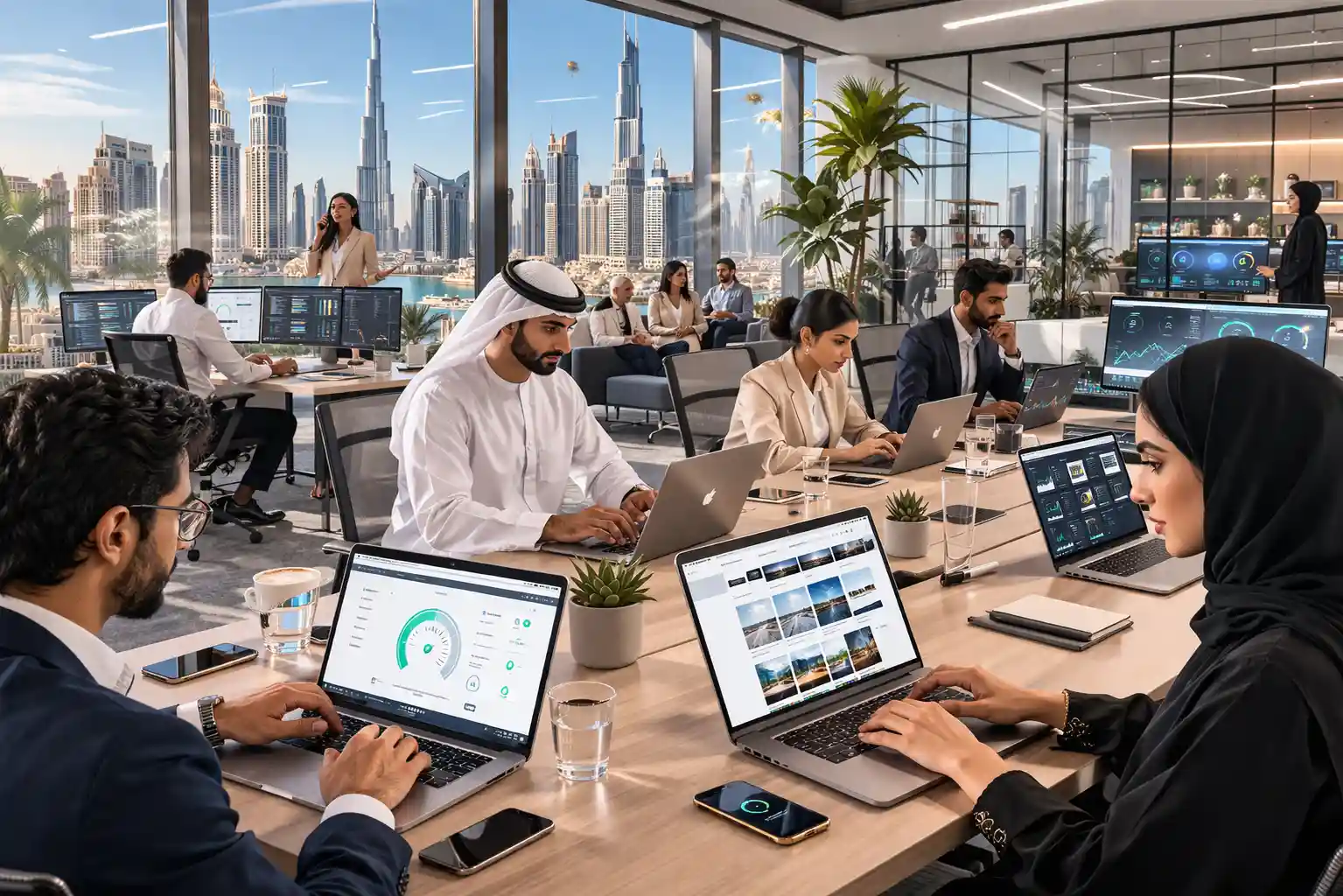
Dubai has become internationally recognized for embracing advanced technologies and innovative public services. One of the strongest examples of this transformation in the healthcare sector is Smart Salem City Walk, a modern medical facility designed around speed, convenience, digital systems, and patient-centered healthcare experiences.
As the UAE continues investing in healthcare innovation and smart infrastructure, facilities like Smart Salem demonstrate how technology can improve efficiency, reduce waiting times, and enhance healthcare accessibility for residents and professionals.
The healthcare industry across the UAE is rapidly evolving through artificial intelligence, automation, digital health systems, and intelligent patient management platforms. Smart Salem City Walk reflects this broader national movement toward smarter, faster, and more technologically integrated healthcare services.
What Is Smart Salem City Walk?
Smart Salem City Walk is a premium healthcare center in Dubai focused on providing medical fitness and visa-related health screening services through a highly digitized and technology-driven environment.
The facility was designed to simplify healthcare procedures by integrating smart systems, automated workflows, and modern medical technologies. Unlike traditional healthcare centers that often involve long waiting times and manual processes, Smart Salem focuses heavily on efficiency and patient comfort.
The clinic is known for combining advanced healthcare technology with hospitality-style service standards, creating a more seamless medical experience for visitors.
How Smart Healthcare Is Changing the UAE
The UAE has been actively investing in digital healthcare infrastructure as part of its long-term innovation strategy. Smart healthcare systems help hospitals and clinics improve operational efficiency, reduce paperwork, and provide faster patient services.
Facilities such as Smart Salem City Walk represent a growing shift toward healthcare environments where technology supports nearly every stage of the patient journey.
Digital registration systems, automated diagnostics, AI-supported healthcare platforms, and smart patient records are becoming increasingly common across the country.
This healthcare transformation is closely connected to broader developments in artificial intelligence and intelligent agents, where automation and intelligent systems are improving decision-making and operational performance.
The Role of Artificial Intelligence in Smart Healthcare
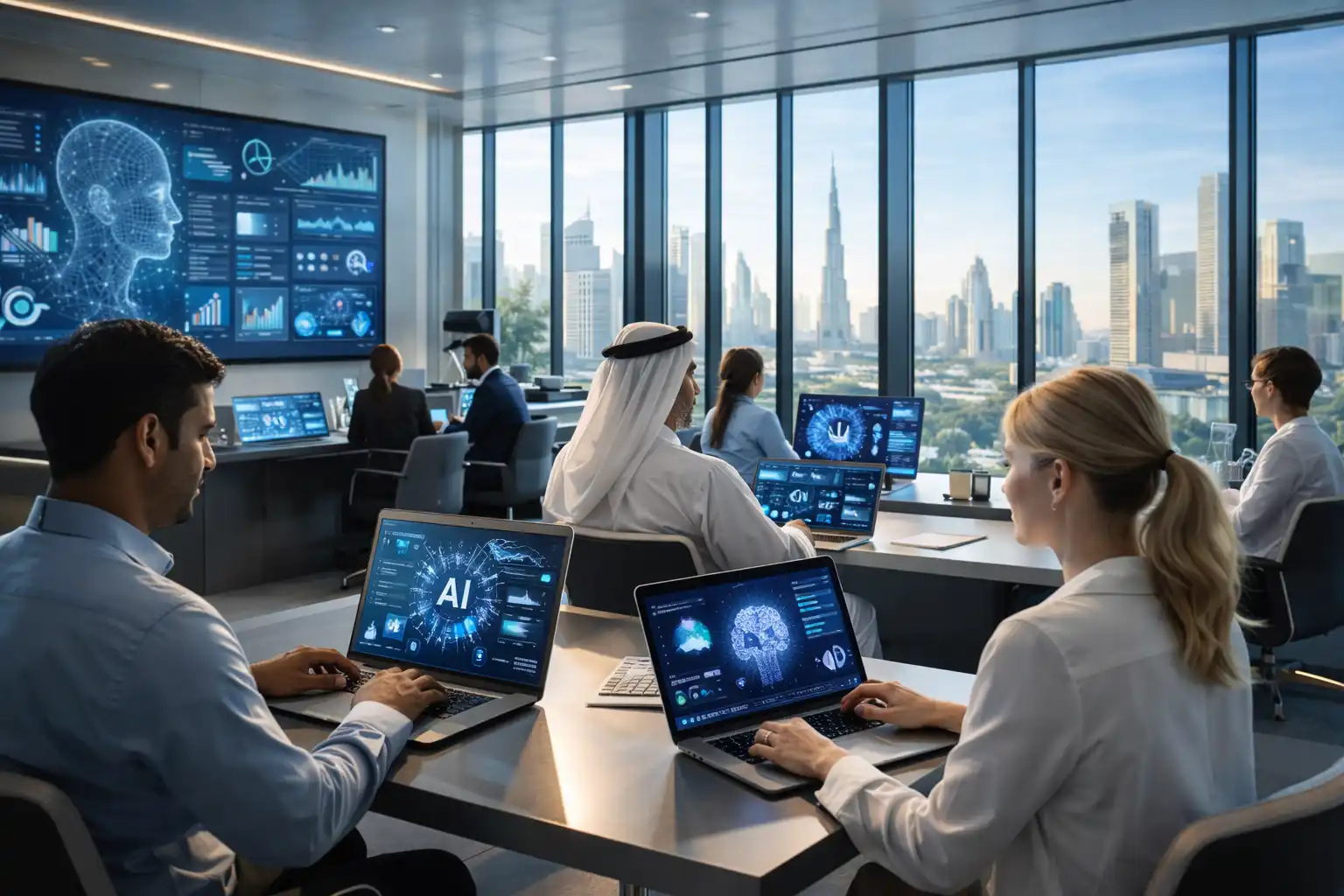
Artificial intelligence is becoming one of the most important technologies in modern healthcare systems. AI-powered tools can analyze medical data, improve diagnostic accuracy, automate administrative tasks, and support patient monitoring.
In facilities like Smart Salem City Walk, digital systems help streamline medical procedures while improving overall patient experiences.
AI technologies are also helping healthcare providers manage appointments, process medical records, optimize workflows, and reduce delays. Intelligent systems can support healthcare staff by automating repetitive tasks and improving service coordination.
The growing adoption of AI in healthcare aligns with wider trends discussed in how artificial intelligence is transforming healthcare in the UAE.
Patient Experience and Digital Convenience
One of the defining features of Smart Salem City Walk is its strong focus on convenience and efficiency. The facility was developed to reduce many of the frustrations commonly associated with traditional healthcare visits.
Patients benefit from:
- Fast appointment processing
- Digital registration systems
- Reduced waiting times
- Smart medical workflows
- Comfortable clinic environments
- Technology-supported service delivery
These improvements reflect the UAE’s broader goal of using innovation to enhance quality of life and public service accessibility.
Dubai’s Vision for Smart Cities and Healthcare
Smart healthcare initiatives are closely connected to Dubai’s wider smart city strategy. The city continues investing in intelligent infrastructure, connected systems, automation, and digital government services.
Healthcare is considered one of the most important sectors benefiting from this transformation. Smart medical centers help support efficient urban living by reducing service delays and improving healthcare accessibility for residents and expatriates.
The UAE’s investment in digital infrastructure also connects with broader national goals related to science and innovation, where advanced technologies are being integrated across multiple industries.
As smart city development continues expanding, healthcare facilities are expected to become increasingly automated and data-driven.
Medical Technology and Automation
Modern healthcare centers in the UAE are increasingly using advanced medical technologies to improve operational performance and patient outcomes.
Automation helps healthcare facilities manage large volumes of patient data while maintaining efficient service delivery. Digital medical systems can improve record accuracy, reduce manual errors, and support faster communication between departments.
Healthcare technology is also supporting telemedicine, digital consultations, remote monitoring, and integrated patient care platforms.
These innovations are part of the UAE’s wider scientific development efforts discussed in scientific innovation in the UAE.
The Importance of Efficient Medical Fitness Services
Medical fitness testing is an important requirement for many UAE residency and visa processes. Traditionally, these procedures could involve lengthy waiting times and administrative complexity.
Facilities like Smart Salem City Walk help modernize this process by using streamlined digital systems and automated workflows that improve speed and convenience.
Efficient medical processing benefits both residents and businesses by reducing delays and supporting smoother administrative procedures.
As Dubai continues attracting international talent and professionals, modern healthcare service infrastructure becomes increasingly important for maintaining efficient public systems.
The UAE’s Focus on Innovation-Driven Healthcare
The UAE government continues encouraging innovation in healthcare through technology partnerships, research investment, and digital transformation programs.
Healthcare modernization is part of the country’s broader ambition to become a global leader in advanced technology and future-focused services.
Many healthcare institutions are now exploring robotics, machine learning, predictive healthcare analytics, and AI-supported diagnostics to improve medical services.
The same innovation-driven mindset can also be seen in ambitious national scientific programs such as the UAE space mission, where advanced technology and research play a central role in long-term development strategies.
Challenges in Smart Healthcare Adoption
Although smart healthcare systems offer many advantages, healthcare providers also face important challenges during digital transformation.
Data privacy, cybersecurity, technology integration costs, and staff training requirements remain important considerations for healthcare organizations.
Medical facilities must ensure patient information remains secure while maintaining reliable digital systems that support continuous healthcare operations.
Balancing innovation with patient trust and regulatory compliance is essential for the successful expansion of smart healthcare services.
The Future of Smart Healthcare in Dubai
The future of healthcare in Dubai will likely become increasingly digital, automated, and AI-driven. Smart clinics and intelligent healthcare platforms are expected to continue improving efficiency, patient experiences, and healthcare accessibility.
Emerging technologies such as predictive analytics, wearable health monitoring, robotic assistance, and AI-powered diagnostics may significantly reshape healthcare delivery in the coming years.
Dubai’s continued investment in healthcare innovation positions the city as one of the leading regional hubs for smart medical services and advanced healthcare infrastructure.
According to the World Health Organization, digital health technologies have the potential to improve healthcare accessibility, efficiency, and patient outcomes globally.
Conclusion
Smart Salem City Walk reflects the UAE’s growing commitment to combining healthcare with advanced technology and intelligent service design.
Through automation, digital systems, and patient-focused innovation, smart healthcare facilities are helping improve medical service efficiency and accessibility across Dubai.
As the UAE continues advancing its digital transformation goals, technology-driven healthcare centers like Smart Salem are expected to play an increasingly important role in the future of modern healthcare delivery.