Dubai has evolved far beyond its reputation as a tourism and real estate destination. Over the past decade, the city has become a major industrial and manufacturing center attracting regional and international investors across multiple sectors. Strong infrastructure, global trade connectivity, business-friendly regulations, and advanced logistics capabilities continue driving industrial expansion throughout the Emirate.
Today, manufacturing in Dubai plays a critical role in the UAE’s economic diversification strategy. From food processing and construction materials to electronics, packaging, textiles, furniture, and advanced technology production, Dubai’s manufacturing ecosystem is expanding rapidly.
The city’s strategic location between Europe, Asia, and Africa also allows manufacturers to access major international markets efficiently. Combined with modern ports, airports, and industrial free zones, Dubai provides an ideal environment for scalable industrial growth.
Why Dubai Is Attractive for Manufacturing Businesses
Dubai offers several competitive advantages for manufacturers looking to establish or expand operations in the Middle East. The city combines world-class infrastructure with investor-friendly policies that simplify business operations and international trade.
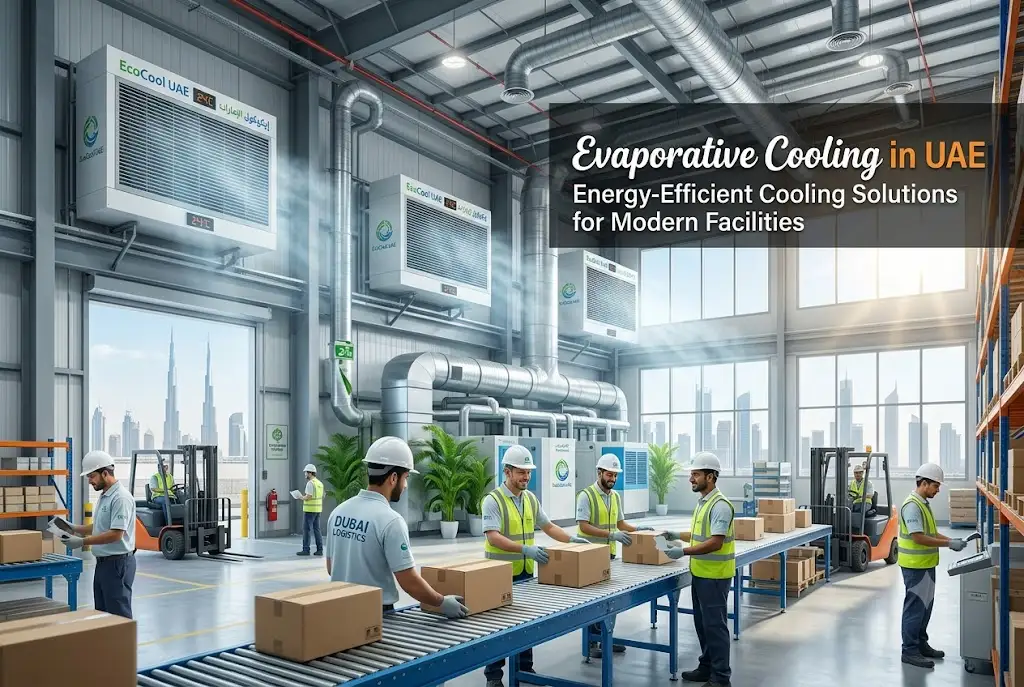
One of the biggest strengths of Dubai’s industrial sector is its logistics ecosystem. Businesses benefit from direct access to ports, cargo airports, free zones, and advanced transportation networks. Companies operating within logistics and storage trends in the UAE are helping manufacturers improve supply chain efficiency, inventory management, and regional distribution.
Dubai also offers flexible industrial licensing structures and specialized free zones designed for manufacturing operations. This allows businesses to optimize production while benefiting from tax advantages and streamlined customs procedures.
Key Manufacturing Sectors in Dubai
The manufacturing sector in Dubai is highly diversified, supporting both traditional industries and modern advanced production facilities.
Food and Beverage Manufacturing
Food production remains one of the fastest-growing manufacturing sectors in Dubai due to increasing regional demand and food security initiatives. Manufacturers benefit from advanced cold storage infrastructure, import-export connectivity, and strong retail demand across the GCC region.
Construction and Building Materials
Ongoing infrastructure projects throughout the UAE continue driving demand for construction materials, metal fabrication, glass production, and industrial equipment manufacturing.
Dubai’s large-scale urban development projects create long-term opportunities for industrial suppliers and production facilities serving the construction sector.
Furniture Manufacturing
Furniture production has become increasingly important as residential, hospitality, and commercial real estate development expands across the UAE.
Businesses involved in furniture manufacturers operations are investing in custom production, premium materials, modular furniture solutions, and export-oriented manufacturing capabilities.
Packaging and Plastics
The growth of e-commerce, retail, food distribution, and industrial production has increased demand for packaging solutions across the UAE market. Packaging manufacturers are now focusing on sustainability, recyclable materials, and automated production technologies.
Industrial Free Zones Supporting Manufacturing Growth
Dubai’s industrial free zones play a major role in attracting manufacturing investment. Areas such as Jebel Ali Free Zone (JAFZA), Dubai Industrial City, and Dubai South offer integrated industrial ecosystems designed specifically for production businesses.
Manufacturers operating within these zones benefit from infrastructure support, customs advantages, warehousing access, and transportation connectivity.
Dubai Industrial City, in particular, has become a major center for factories, production plants, and industrial operations across sectors including food production, machinery, chemicals, and construction materials.
Businesses exploring broader industrial & manufacturing opportunities in the UAE often use Dubai as a regional headquarters for supply chain and production operations.
Technology and Smart Manufacturing Trends
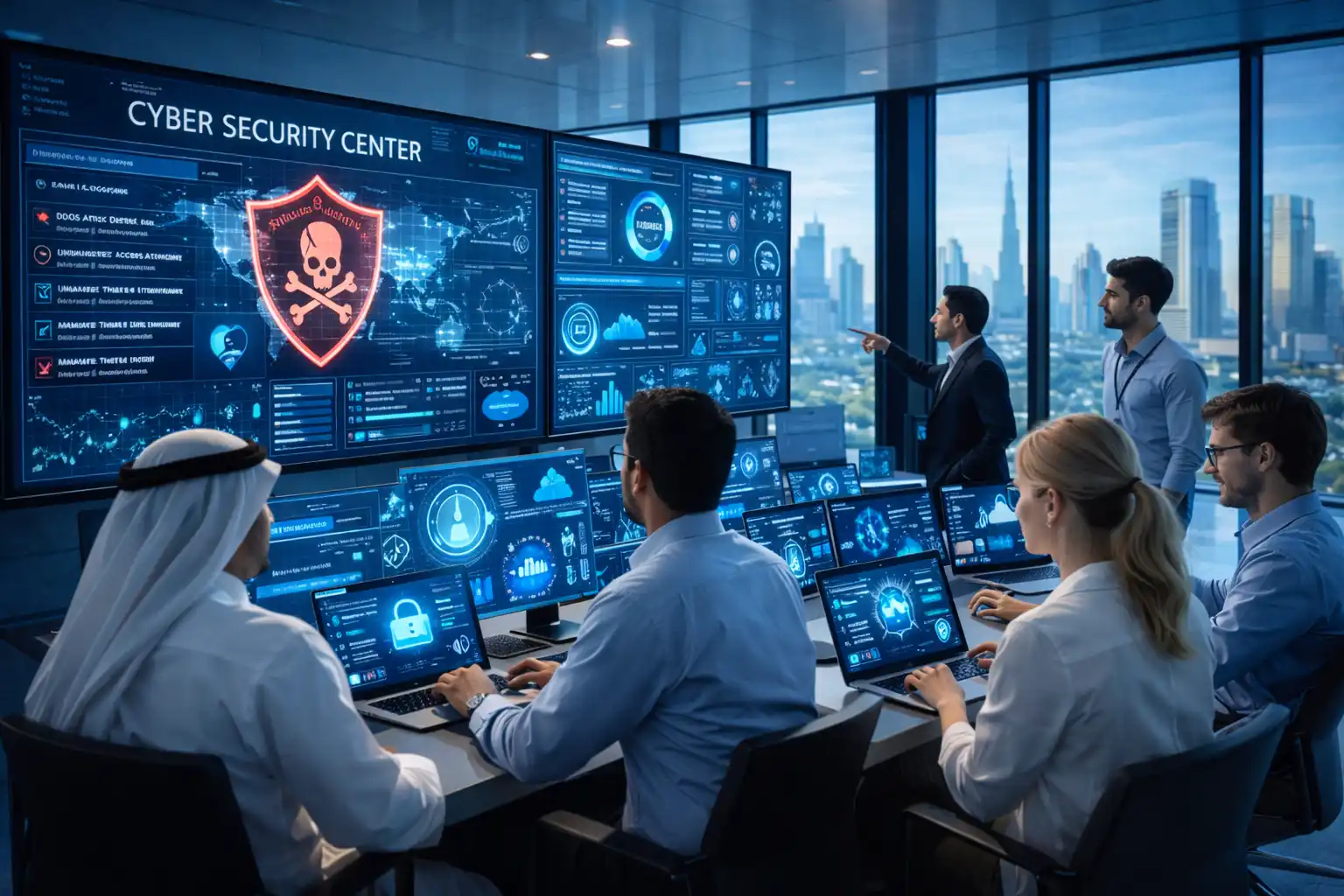
Technology is transforming the manufacturing sector across Dubai. Companies are increasingly adopting automation, robotics, AI-powered systems, and data-driven production models to improve operational efficiency.
Smart factories allow manufacturers to reduce waste, improve product consistency, optimize labor usage, and monitor production performance in real time.
Digital transformation is particularly important for manufacturers competing in international markets where production quality, delivery speed, and operational efficiency directly affect competitiveness.
The UAE government’s support for Industry 4.0 initiatives is also encouraging businesses to invest in advanced industrial technologies.
Importance of Logistics and Supply Chain Infrastructure
Efficient logistics infrastructure remains one of Dubai’s strongest industrial advantages. Manufacturers rely heavily on warehousing, transportation, and regional distribution systems to maintain smooth operations.
The city’s integrated logistics ecosystem allows businesses to efficiently move raw materials, finished products, and export shipments through ports and airports.
As discussed in logistics and storage trends in the UAE, modern warehousing solutions and supply chain technologies are becoming increasingly important for growing industrial businesses.
Manufacturers that integrate smart logistics systems into their operations often achieve lower operational costs and faster market access.
Sustainability in Dubai Manufacturing
Sustainability is becoming a growing priority across Dubai’s industrial sector. Manufacturers are increasingly adopting energy-efficient production systems, waste reduction strategies, and environmentally responsible sourcing practices.
Many industrial facilities are also incorporating solar energy systems and sustainable building technologies into factory operations.
The shift toward greener manufacturing aligns with broader UAE sustainability goals and growing global demand for environmentally responsible production standards.
Abu Dhabi’s Role in the UAE Industrial Landscape
While Dubai remains a major manufacturing center, Abu Dhabi also plays a critical role in the country’s industrial growth strategy. Large-scale industrial projects, energy investments, and heavy manufacturing initiatives continue expanding across the capital.
Businesses interested in broader UAE industrial development often explore opportunities within industries in Abu Dhabi alongside Dubai-based operations to create stronger regional supply chains.
This interconnected industrial ecosystem strengthens the UAE’s position as a major manufacturing and export hub in the Middle East.
Challenges Facing Manufacturing Businesses
Despite strong growth opportunities, manufacturers in Dubai still face several operational challenges. Rising global shipping costs, supply chain disruptions, labor management, and international competition can affect production efficiency.
Businesses must also continuously adapt to evolving technology trends and customer expectations.
However, companies that invest in automation, logistics optimization, and scalable industrial infrastructure are often better positioned for long-term success.
Future Outlook for Manufacturing in Dubai
The future of manufacturing in Dubai remains highly promising. Government-led economic diversification initiatives, industrial investment programs, and infrastructure development continue supporting sector growth.
Dubai’s strong logistics network, investor-friendly environment, and strategic global location make it one of the most attractive manufacturing destinations in the region.
According to the Dubai Department of Economy and Tourism economic reports, industrial development and economic diversification remain key priorities for long-term economic growth.
As technology adoption accelerates and industrial capabilities expand, Dubai is expected to strengthen its role as a leading manufacturing and export hub serving regional and international markets.