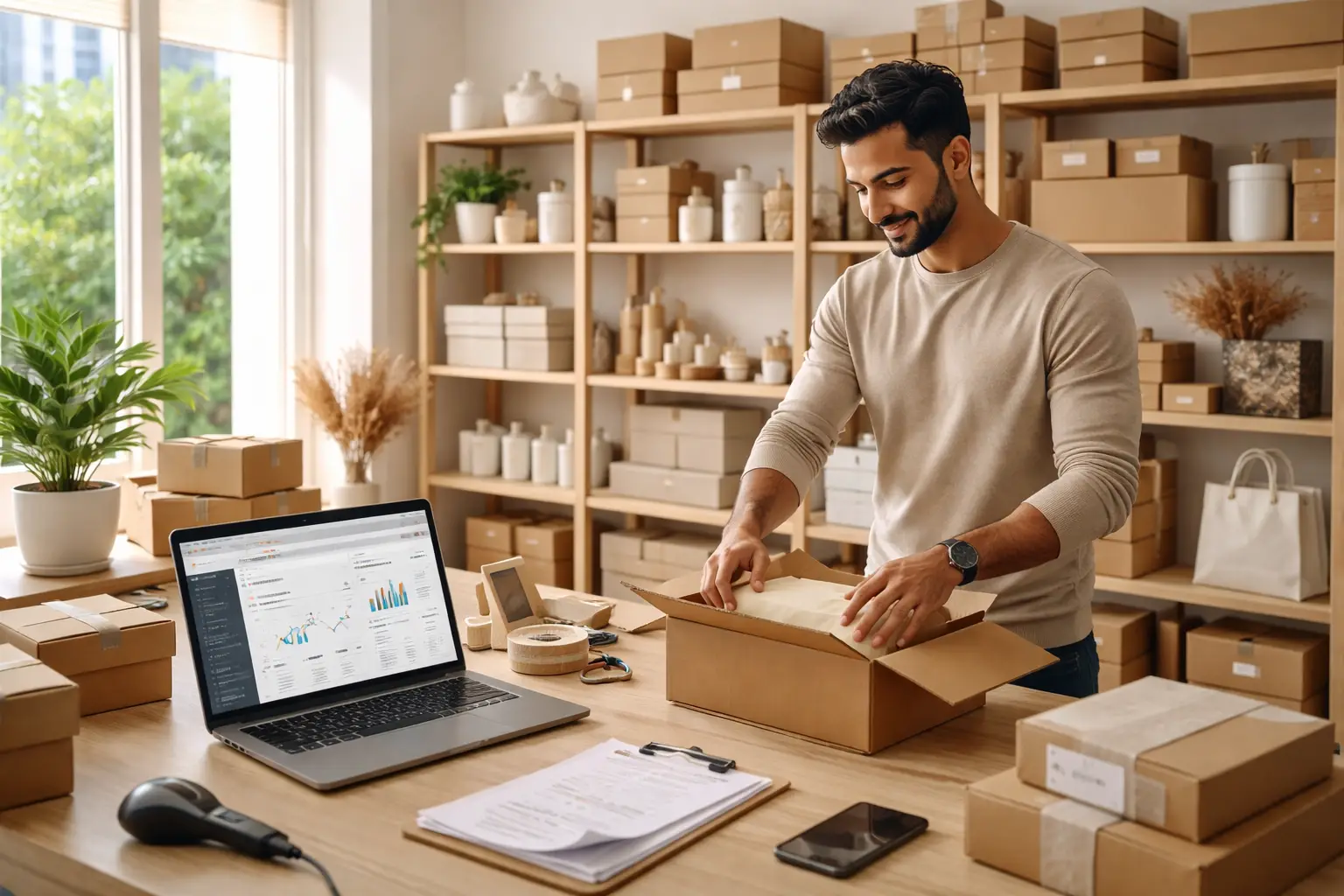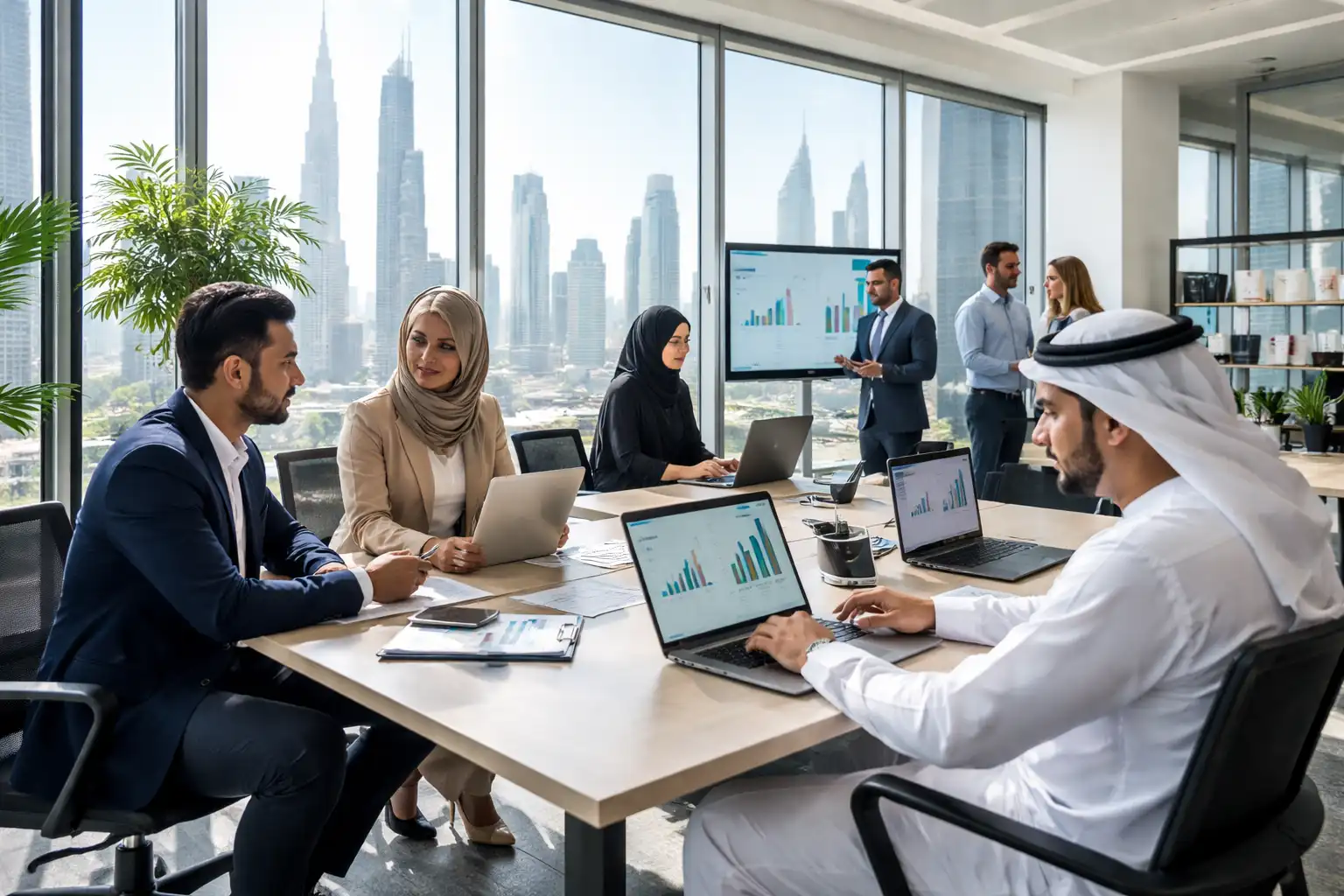
The UAE already has a highly developed retail environment supported by strong infrastructure, purchasing power, tourism, technology adoption, and a diverse consumer population. At the same time, online commerce is becoming an increasingly important part of the customer journey. The UAE Ministry of Economy has highlighted the complementary relationship between physical and online retail, including the importance of omnichannel experiences, convenience, technology, personalization, and sustainable practices.
Understanding the Retail Stores Market in the UAE
Retail stores in the UAE operate across a wide range of formats. Consumers can shop at luxury boutiques, destination malls, supermarkets, convenience stores, specialty outlets, department stores, concept stores, and businesses that combine physical locations with online shopping.
This variety reflects the diversity of the UAE market. Customers may have very different expectations depending on their lifestyle, location, budget, culture, and reason for shopping. A luxury shopper may prioritize exclusivity and personalized service, while a convenience-focused customer may value location, speed, availability, and easy payment options.
Retailers therefore need to understand their target audience before deciding how to design their stores, pricing strategy, product selection, digital channels, and customer service.
Businesses interested in the wider commercial environment can also explore the retail business opportunities in the UAE and the factors that influence retail growth.
Key Trends Shaping Retail Stores in UAE
1. Experience-Driven Retail
Shopping is increasingly becoming an experience rather than a simple transaction. Retailers are designing stores where customers can discover products, interact with displays, receive assistance, attend events, or experience a brand’s identity.
Interactive demonstrations, product testing areas, attractive displays, pop-up concepts, seasonal activations, and personalized consultations can make physical stores more engaging.
This approach is particularly important in competitive retail environments where customers have many alternatives. A memorable store experience can give shoppers a reason to visit a physical location even when the same product can be purchased online.
2. Omnichannel Shopping
The distinction between online and offline retail is becoming less important. Customers may discover a product through a website or social media, compare prices online, visit a physical store to inspect it, and then complete the purchase through an app or website.
Retailers therefore need their digital and physical channels to work together. Accurate product information, consistent pricing, reliable stock information, flexible delivery, click-and-collect options, and convenient returns can make the customer journey smoother.
The UAE’s eCommerce framework also recognizes online selling through websites, mobile applications, social platforms, and digital marketplaces, reinforcing the importance of digital commerce for modern businesses.
For additional context, see the site’s guide to online shopping trends in the UAE and its overview of UAE eCommerce growth.
3. Smart Technology in Physical Stores
Technology is increasingly being used to reduce friction and improve store operations. Depending on the business model, retailers may use digital displays, mobile payments, inventory systems, self-checkout solutions, customer analytics, loyalty platforms, and other digital tools.
The objective should not be to add technology simply because it is available. Technology should solve a customer or operational problem. A faster checkout process, better product availability information, or more accurate recommendations can provide greater value than technology that adds unnecessary complexity.
The UAE’s broader digital transformation also creates an environment in which businesses can increasingly connect physical operations with digital services.
4. Personalization and Customer Engagement
Customers increasingly expect retailers to understand their needs. Personalized product recommendations, relevant offers, loyalty rewards, targeted communication, and knowledgeable staff can help create stronger relationships with shoppers.
Personalization should remain useful and respectful. Retailers should be transparent about how customer information is used and should maintain appropriate privacy and data-security practices.
5. Sustainability and Responsible Retail
Sustainability is becoming more visible across retail operations. Businesses may reduce unnecessary packaging, improve energy efficiency, reduce plastic use, source more responsibly, or offer products with sustainability attributes.
Customers may also pay closer attention to whether a brand’s sustainability claims are supported by meaningful practices. Clear communication is therefore more valuable than exaggerated environmental marketing.
6. Convenience as a Competitive Advantage
Convenience is one of the most important expectations in modern retail. Customers want stores that are easy to reach, simple to navigate, well stocked, and efficient at checkout.
Convenience also extends beyond the physical store. Delivery, online ordering, digital payments, flexible collection, responsive customer service, and easy returns can all influence whether customers choose one retailer over another.
What Customers Expect From Retail Stores in UAE
Easy and Convenient Shopping
Customers generally want the shopping journey to be straightforward. They expect clear product information, accessible stores, logical layouts, reasonable waiting times, and convenient payment options.
Quality and Reliability
Product quality remains an important part of customer trust. Retailers can strengthen their reputation by maintaining consistent quality, providing accurate information, and handling product issues professionally.
Fast Customer Service
Customers do not want unnecessary delays when they need assistance. Well-trained employees who understand products and can solve basic problems efficiently can significantly improve the in-store experience.
Transparent Prices and Promotions
Clear pricing is essential for building trust. Customers should be able to understand the actual price of a product, the conditions attached to promotions, and any relevant limitations before completing a purchase.
Transparency is particularly important because UAE consumer-protection rules cover the quality of goods and services, accurate product information, advertised prices, consumer privacy, and related rights.
Flexible Online and Offline Options
Modern shoppers increasingly expect flexibility. Some customers prefer visiting stores, while others want to complete the entire journey online. Many customers use both channels depending on the product and situation.
Retailers that make it easy to move between digital and physical touchpoints can better serve these different preferences.
The Role of Supermarkets and Retail Chains
Large retail chains and supermarkets influence customer expectations across the UAE because they operate at scale and frequently introduce new services, promotions, delivery options, and technology.
Smaller retailers can learn from these developments without necessarily copying them. A neighborhood store, for example, may compete through local knowledge, specialized products, personal service, or convenience rather than trying to match the scale of a major chain.
Our related guide to the supermarket business in the UAE explores the opportunities and trends affecting this important part of the retail sector.
How Retail Stores Can Improve the Customer Experience
Understand the Target Customer
Retailers should define who they are serving and what matters most to that audience. Customer research can help identify preferred products, shopping times, price sensitivity, service expectations, and digital behavior.
Improve Store Navigation
A well-organized store helps customers find what they need without unnecessary effort. Clear categories, visible pricing, logical product placement, and uncluttered pathways can make a meaningful difference.
Connect the Store With Digital Channels
A retailer’s website should complement its physical location. Customers should be able to find essential information such as opening hours, product details, contact information, promotions, and available services.
Retailers investing in their digital infrastructure can also review guidance on SEO-friendly website development in the UAE and web development companies in Dubai.
Build Loyalty Beyond Discounts
Loyalty programs can encourage repeat purchases, but loyalty is not created by discounts alone. Reliable service, relevant communication, quality products, convenience, and positive experiences all contribute to long-term customer relationships.
Retailers can explore the site’s dedicated guide to loyalty programs in the UAE for more information about this area.
Use Customer Feedback
Customer reviews, surveys, support requests, and direct feedback can reveal problems that retailers may not notice internally. Businesses should use this information to identify recurring issues and improve their processes.
Opportunities for Retail Store Owners in the UAE
Specialized and Niche Retail
Niche retail can help businesses avoid competing only on price. Specialty products, curated collections, premium services, and clearly defined customer segments can create stronger differentiation.
Online Expansion
Physical retailers can expand their reach through eCommerce, social commerce, marketplaces, and their own websites. The strongest strategy depends on the product category and target audience.
Businesses considering digital expansion can also review how to start selling online in the UAE.
Data-Informed Retail Decisions
Retailers can use sales data, inventory information, customer feedback, and digital analytics to make better decisions about product selection, promotions, staffing, and store operations.
Partnerships and Local Positioning
Retail businesses can strengthen visibility through local partnerships, events, community engagement, influencer collaborations, and relevant digital marketing campaigns.
Businesses evaluating their broader marketing strategy can also explore digital marketing for UAE businesses and influencer marketing in the UAE.
Challenges Facing Retail Stores in UAE
Strong Competition
The UAE retail market includes international brands, established regional businesses, independent stores, online retailers, and marketplace sellers. Retailers therefore need a clear value proposition.
Operating Costs
Location, rent, staffing, inventory, technology, utilities, logistics, and marketing can all affect retail profitability. Businesses need careful financial planning before expanding physical locations.
Changing Consumer Behavior
Customer preferences can change quickly as new technologies, shopping platforms, brands, and lifestyle trends emerge. Retailers need systems that allow them to respond without constantly changing their entire business model.
Inventory and Supply Chain Management
Product availability directly affects customer satisfaction. Poor inventory management can lead to stockouts, excess inventory, delayed orders, and missed sales.
Retailers can also learn from broader supply-chain developments through the site’s guide to wholesale business in the UAE.
Future of Retail Stores in UAE
The future of retail in the UAE is likely to combine physical experiences with increasingly sophisticated digital systems. Stores will continue to matter, but their role may evolve from being simple points of sale into places for discovery, service, community, demonstration, and brand engagement.
Artificial intelligence, analytics, automation, mobile commerce, personalized recommendations, connected inventory systems, and digital customer journeys can all influence how retailers operate. However, technology will be most effective when it improves something customers actually value.
Sustainability and responsible business practices are also likely to remain important as retailers respond to changing consumer expectations and broader environmental priorities.
For businesses building a long-term strategy, the goal should be to create a retail model that is convenient, trustworthy, digitally connected, and adaptable.
Practical Checklist for UAE Retailers
- Define the target customer and their shopping priorities.
- Keep product information and pricing clear.
- Make the physical store easy to navigate.
- Reduce unnecessary checkout friction.
- Connect physical stores with digital channels.
- Maintain accurate inventory information.
- Train staff to provide helpful and efficient service.
- Use customer feedback to identify recurring problems.
- Protect customer information and respect privacy requirements.
- Use technology where it produces a measurable customer or operational benefit.
- Consider loyalty strategies that provide value beyond discounts.
- Review sustainability opportunities across products and operations.
Frequently Asked Questions About Retail Stores in UAE
What are the main retail trends in the UAE?
Major trends include experience-driven retail, omnichannel shopping, smart-store technology, personalization, convenience, digital payments, data-informed decision-making, and greater attention to sustainability.
What do UAE customers expect from retail stores?
Customers increasingly expect convenient shopping, quality products, efficient service, transparent pricing, flexible payment and shopping options, useful digital services, and personalized experiences.
Why is omnichannel retail important in the UAE?
Customers may use websites, social media, mobile devices, marketplaces, and physical stores during a single buying journey. Omnichannel retail allows businesses to connect these touchpoints and provide a more consistent experience.
How can small retail stores compete with large chains?
Small retailers can compete through niche products, specialized knowledge, personalized service, local relationships, convenience, strong branding, and a focused digital presence rather than attempting to match large chains on scale.
Is sustainability important for UAE retailers?
Sustainability is becoming an increasingly relevant part of retail strategy. Businesses can consider responsible sourcing, packaging reduction, energy efficiency, waste reduction, and transparent communication about environmental practices.
Conclusion
Retail stores in the UAE are moving toward a more connected, convenient, personalized, and experience-focused model. Customers increasingly expect retailers to combine strong physical experiences with reliable digital services and efficient customer support.
Retailers that understand their audiences, improve convenience, use technology thoughtfully, maintain transparent practices, and build consistent online and offline experiences can create stronger customer relationships and compete more effectively.
The UAE’s diverse and digitally advanced retail environment creates opportunities for both established chains and specialized businesses. The retailers most prepared to adapt to changing expectations will be better positioned for sustainable growth.