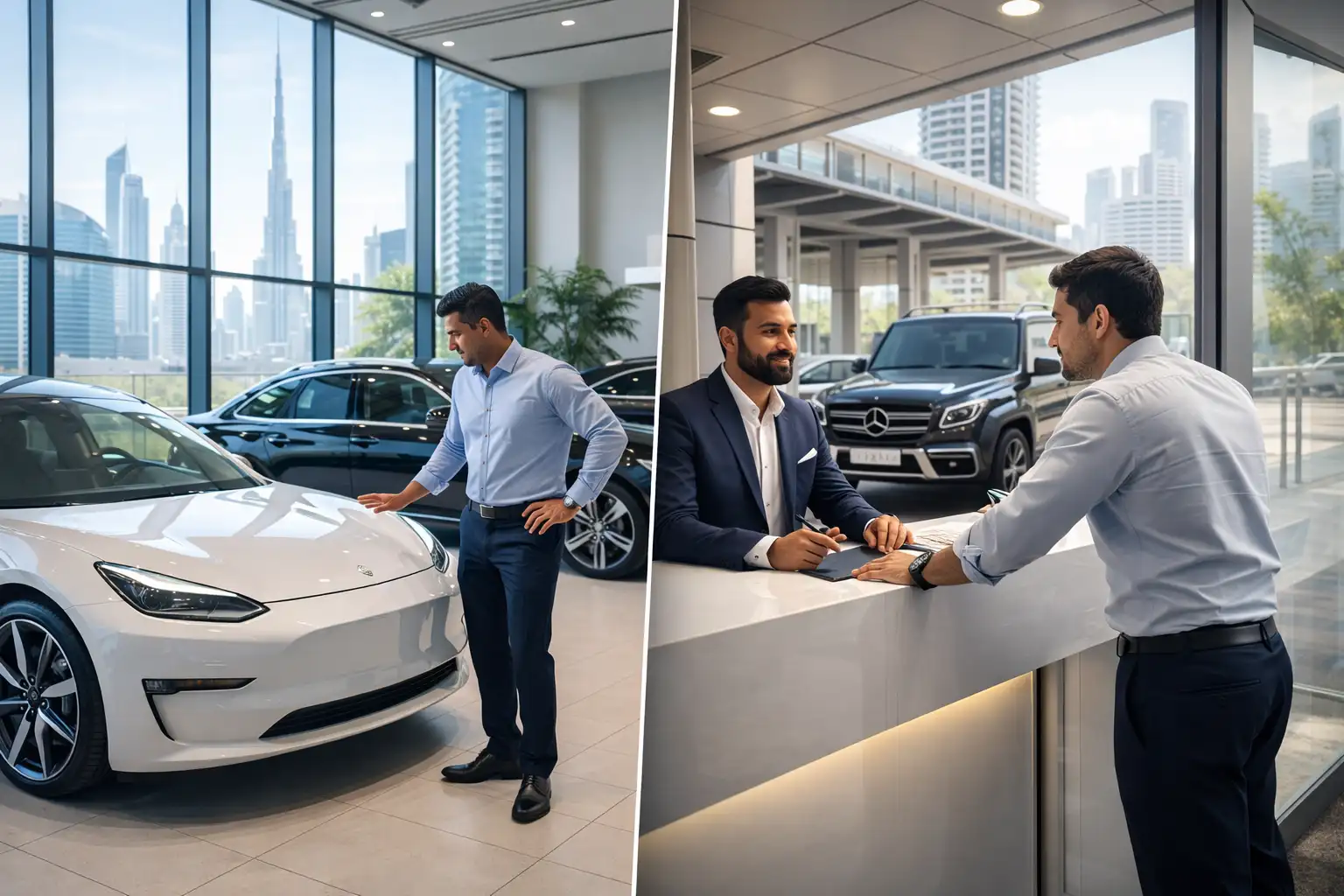
The UAE has positioned itself as a forward-thinking nation when it comes to sustainability, innovation, and smart mobility. Among the most visible shifts in recent years is the rapid growth of electric vehicles (EVs). What was once considered a niche option is now steadily entering the mainstream, driven by government initiatives, infrastructure expansion, and changing consumer preferences.
As the automotive landscape evolves, understanding the trajectory of electric vehicles in the UAE is essential—not just for buyers, but also for investors, businesses, and anyone connected to the transport sector. This article explores current adoption trends, key drivers, and what the future holds for EVs in the Emirates.
Why Electric Vehicles Are Gaining Momentum in the UAE
The UAE’s push toward sustainability has played a major role in accelerating EV adoption. National strategies such as the UAE Net Zero 2050 initiative and Dubai’s Green Mobility Strategy have created a strong policy framework encouraging cleaner transportation options.
Consumers are increasingly aware of environmental impact, and EVs offer a compelling alternative to traditional fuel-powered vehicles. Lower emissions, quieter operation, and reduced dependency on fossil fuels align well with the country’s long-term vision.
At the same time, economic factors are also influencing decisions. While upfront costs may still be higher in some cases, long-term savings on fuel and maintenance are making EVs more attractive—especially when compared to traditional ownership models discussed in buying vs renting a car in UAE.
Government Support and Incentives
Government-backed incentives have significantly boosted EV adoption. In Dubai, for example, EV owners benefit from perks such as free public parking in designated areas, reduced registration fees, and access to charging stations at minimal cost.
Authorities have also invested heavily in infrastructure, ensuring that EV adoption is not limited by accessibility concerns. This proactive approach has created confidence among buyers who previously hesitated due to range anxiety or lack of charging options.
Expansion of Charging Infrastructure
One of the biggest barriers to EV adoption globally has been charging infrastructure. The UAE, however, has addressed this challenge effectively. Charging networks such as DEWA’s Green Charger initiative have made it easier for EV users to recharge their vehicles across major cities.
From shopping malls to residential communities and highways, charging stations are becoming increasingly common. This widespread availability supports both private EV owners and businesses, including those operating in the car rental business in UAE, where electric fleets are slowly gaining traction.
Changing Consumer Behavior and Market Demand
Consumer preferences in the UAE are evolving rapidly. Buyers are no longer focused solely on performance or luxury; sustainability and cost efficiency are becoming key considerations.
Younger demographics, in particular, are more open to adopting EVs. They view electric mobility as part of a broader lifestyle choice that includes environmental responsibility and technological innovation.
Additionally, rising fuel costs and increased awareness about long-term ownership expenses are pushing more consumers to evaluate EVs alongside traditional options, especially when comparing car prices in UAE across different segments.
Role of Global and Local Automotive Brands
The availability of EV models in the UAE has expanded significantly. Leading global brands such as Tesla, Nissan, BMW, and Mercedes-Benz have introduced electric and hybrid models tailored to the region.
At the same time, new entrants—including Chinese EV manufacturers—are entering the UAE market with competitive pricing and advanced features. This increased competition is making EVs more accessible to a wider audience.
Car rental providers are also adapting to this shift. Several companies are adding electric vehicles to their fleets, giving customers the opportunity to experience EVs without committing to ownership, similar to trends seen in car rental companies in Dubai.
Challenges Slowing Down EV Adoption
Despite strong growth, EV adoption in the UAE still faces certain challenges. One of the primary concerns is the higher upfront cost compared to traditional vehicles. While long-term savings can offset this, not all buyers are ready to make the initial investment.
Another issue is the limited availability of certain EV models, especially in mid-range segments. Although this is improving, the market still lacks the same variety as conventional vehicles.
There are also lingering concerns about battery lifespan, resale value, and maintenance expertise. However, as the ecosystem matures, these challenges are expected to diminish.
Future Outlook: What Lies Ahead for EVs in the UAE
The future of electric vehicles in the UAE looks promising. With continued government support, expanding infrastructure, and growing consumer awareness, EV adoption is expected to accelerate significantly over the next decade.
Advancements in battery technology will likely reduce costs and improve performance, making EVs more competitive with traditional vehicles. At the same time, smart city initiatives and autonomous driving technologies could further integrate electric mobility into everyday life.
Businesses across the automotive sector—from dealerships to rental services—will need to adapt quickly to stay relevant. This includes rethinking pricing models, customer experiences, and service offerings in a market that is rapidly evolving.
Conclusion
Electric vehicles are no longer a future concept in the UAE—they are a present reality shaping the country’s transportation landscape. While challenges remain, the overall direction is clear: the UAE is moving toward a cleaner, smarter, and more sustainable mobility ecosystem.
For consumers, businesses, and investors alike, understanding these trends is crucial. Whether you’re planning to buy, rent, or invest in the automotive sector, electric vehicles will play an increasingly important role in shaping your decisions.