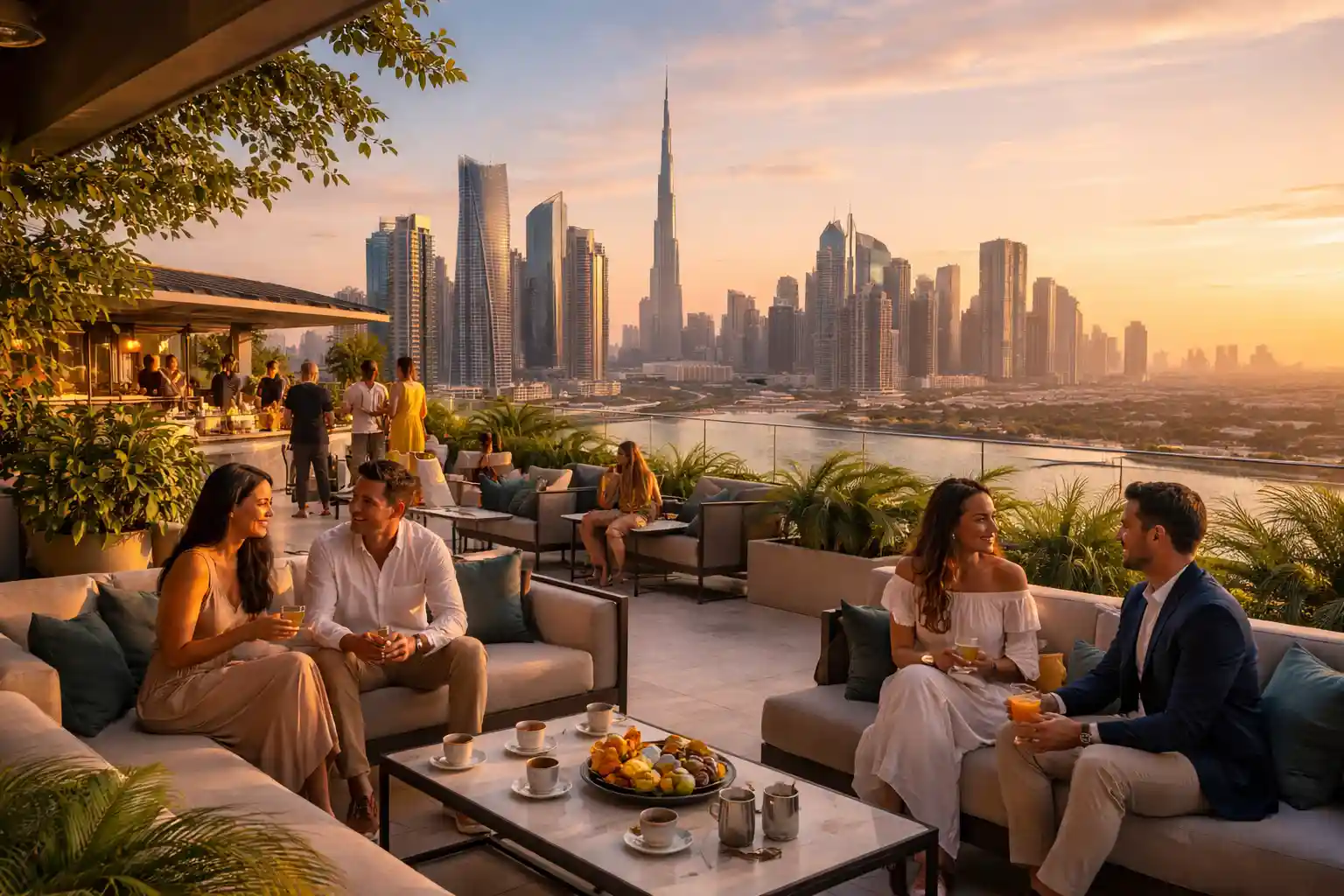
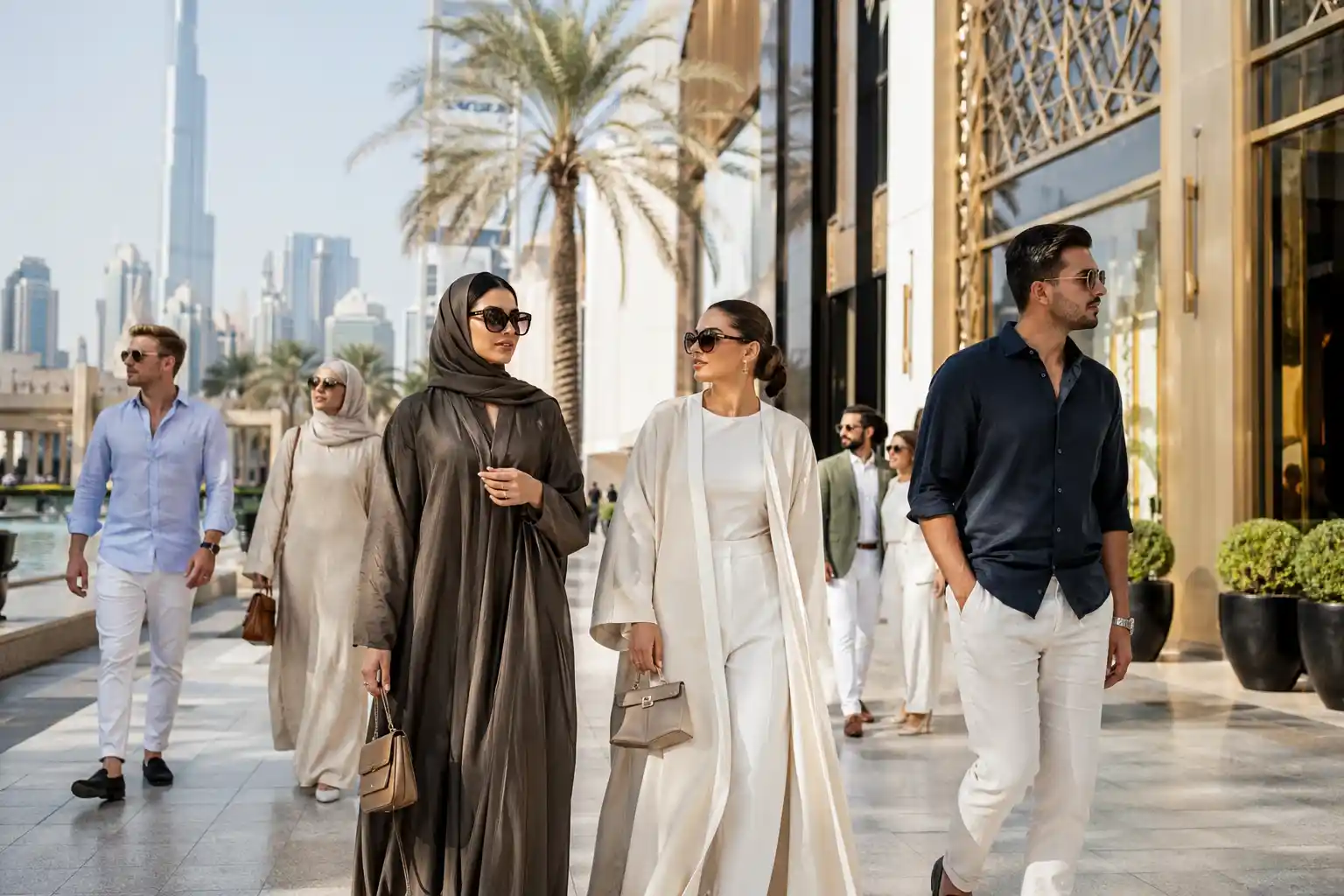
In 2026, the idea of a desirable urban lifestyle increasingly includes flexibility, practical home design, digital convenience, and a healthier balance between work and personal time. These preferences are relevant to professionals, families, long-term residents, and newcomers deciding where to live. Understanding these changes can help residents make more informed housing and lifestyle choices.
What Is Changing About Urban Living in Dubai?
Dubai’s urban lifestyle is no longer defined by luxury alone. Many residents now consider the quality of everyday experiences: how long it takes to commute, whether essential services are nearby, how comfortable the home is, and whether the surrounding community supports their routines.
Mixed-use developments, residential communities with shared amenities, digital services, and wellness-oriented spaces all contribute to this shift. The appeal of a home increasingly depends on how well it connects residents to work, recreation, social activities, and essential services.
These changes also influence decisions about neighbourhoods, budgets, and housing types. Readers comparing the practical side of city life can explore our guide to living in Dubai, including lifestyle, cost, and daily life.
1. Work-Life Balance Is Shaping Housing Choices
Flexible work arrangements have changed the way some residents think about location and home design. People who work remotely or follow hybrid schedules may need a quiet workspace, reliable internet, comfortable lighting, and enough room to separate professional responsibilities from personal time.
For office-based professionals, proximity to employment centres and dependable transport links can reduce the stress associated with commuting. For remote workers, a suitable home environment and access to cafés, coworking spaces, and everyday services may be more important than living in the busiest part of the city.
Homes That Support Multiple Activities
A spare room, flexible desk area, good storage, and practical furniture can make a home more adaptable. Residents in smaller apartments may benefit from layouts that allow one area to serve more than one purpose without making the space feel crowded.
For inspiration, explore these small apartment decor ideas for UAE urban living. A thoughtful layout can improve comfort without requiring a larger or more expensive property.
2. Community-Focused Living Is Gaining Importance
Many residents want more than a building with attractive interiors. They also value neighbourhoods where daily errands, social activities, recreation, and family needs are easier to manage. This has increased the appeal of residential communities that combine homes with parks, retail outlets, fitness facilities, and other shared amenities.
Community-oriented living can be particularly useful for families, people who work from home, and residents who want opportunities to socialise close to where they live. Shared spaces may encourage informal interaction, although the quality of community life depends on the design, management, accessibility, and character of each development.
What to Look for in a Residential Community
- Accessible grocery shops, pharmacies, and other essential services.
- Parks, shaded outdoor areas, walking routes, and recreational facilities.
- Convenient access to schools, healthcare, and employment centres.
- Well-maintained shared spaces and responsive property management.
- Transport options that suit residents’ everyday travel patterns.
- Housing costs that remain manageable alongside service charges and other expenses.
Residents choosing a neighbourhood can compare our guides to the best communities to live in Dubai and where to live in Dubai. The best choice depends on household needs, budget, commute, and preferred lifestyle rather than a universal ranking.
3. Convenience and Walkability Matter More
Convenience is an important part of modern urban living. Residents may prefer a neighbourhood where they can reach a supermarket, café, park, gym, or other everyday destination without planning a long drive for every activity.
Dubai’s urban planning initiatives include a stronger emphasis on connected communities, public spaces, and active mobility. However, walkability varies considerably between districts. Weather, shaded paths, road crossings, pedestrian infrastructure, and the distance between destinations all affect whether walking is practical for a particular resident.
The Appeal of Mixed-Use Neighbourhoods
Mixed-use areas combine residential buildings with retail, dining, workplaces, and leisure facilities. When these destinations are genuinely accessible, residents may spend less time travelling for routine tasks and more time on work, family, or recreation.
When evaluating a neighbourhood, check the actual walking route rather than relying only on a map’s straight-line distance. Consider entrances, road crossings, shaded paths, operating hours, and whether the services you need are available nearby.
4. Public Transport and Connectivity Influence Daily Life
Transport connectivity can shape where residents choose to live. Access to the Dubai Metro, tram, bus services, taxis, and app-based mobility options may make commuting and leisure trips easier, depending on the route and time of day.
Dubai’s Roads and Transport Authority reported approximately 348.1 million passenger trips across public transport, shared mobility, and taxis during the first half of 2026. This indicates the importance of the wider mobility network in the city’s daily activity, although the most suitable transport option differs by location and journey.
Before choosing a home, consider the complete trip from your front door to work, school, or other regular destinations. A property that appears close to a station may still involve a long walk or an inconvenient transfer. Residents who drive should also assess parking availability, peak-hour congestion, and access to main roads.
5. Wellness Is Becoming Part of the Residential Experience
Health and well-being are increasingly relevant to how residents evaluate their surroundings. Access to gyms, swimming pools, cycling routes, parks, walking paths, and outdoor recreation can make it easier to maintain regular routines.
Wellness-focused living does not require a luxury development. A comfortable home, manageable commute, access to outdoor space, and convenient everyday facilities may contribute just as much to a person’s routine as premium amenities.
Green Spaces and Outdoor Activities
Parks and landscaped areas provide places to walk, exercise, relax, and spend time with family. Their usefulness depends on accessibility, shade, maintenance, and the time of year. During hotter months, residents may prefer indoor fitness facilities or outdoor activities during cooler hours.
Explore our guide to green living in the UAE for ideas about sustainable habits and the relationship between daily routines and the built environment.
6. Sustainability Is Influencing Home and Lifestyle Decisions
Sustainability is becoming a more visible consideration in residential design and everyday choices. Energy-efficient lighting, effective insulation, efficient cooling systems, water-saving fixtures, recycling facilities, and accessible green spaces can contribute to a more resource-conscious lifestyle.
For residents, sustainability can also have a practical financial dimension. Energy-efficient equipment and sensible cooling practices may help manage utility consumption, although actual savings depend on the property, usage, maintenance, and energy costs.
Practical Ways to Make Urban Living More Sustainable
- Use energy-efficient lighting and appliances where practical.
- Maintain cooling systems and use thermostats sensibly.
- Reduce water waste and follow local recycling arrangements.
- Walk, cycle, or use public transport when routes and weather allow.
- Choose durable household items and avoid unnecessary replacement.
- Consider building efficiency and ongoing utility costs when selecting a home.
Residents interested in the broader design of sustainable homes can also explore sustainable construction trends in the UAE.
7. Smart Technology Is Making Daily Life More Convenient
Digital services are an established part of everyday life in Dubai. Residents use online platforms for banking, shopping, transport, deliveries, bill payments, appointments, and communication. Smart-home features can add another layer of convenience by helping residents manage lighting, temperature, security, and selected household systems.
Not every resident needs a fully automated home. The most useful technology is usually the technology that solves a real problem, works reliably, and is straightforward to maintain. Before investing in smart devices, check compatibility, privacy settings, connectivity requirements, and ongoing costs.
Technology That Supports Flexible Living
Reliable internet, secure digital access, and functional home-office equipment can be especially valuable for remote workers and small-business owners. At the same time, residents should protect personal information, use strong authentication where available, and understand how connected devices collect or share data.
8. Dubai’s Multicultural Environment Shapes Lifestyle Preferences
Dubai brings together residents from a wide range of cultural and professional backgrounds. This diversity is reflected in food, retail, entertainment, social activities, languages, and community events. Residents can often find experiences that suit different interests, family routines, and cultural preferences.
For newcomers, adapting to the city involves more than choosing an apartment. It can also mean understanding local customs, transport options, everyday expenses, and the practical differences between neighbourhoods.
Our guide to living in Dubai as an expat offers additional context for people adjusting to life in the emirate. Readers can also explore the Dubai lifestyle guide for expats for a broader overview of daily living.
9. Housing Preferences Are Becoming More Personal and Practical
Housing decisions increasingly reflect individual circumstances rather than a single definition of the ideal home. Young professionals may prioritise proximity to work and entertainment, while families may place greater importance on space, schools, outdoor areas, and community facilities.
Residents who travel frequently may value transport connections and low-maintenance homes. Remote workers may prefer quieter surroundings and dedicated work areas. People managing a household budget may focus on rent, utility expenses, transport costs, and the quality of nearby services.
Balancing Space, Location, and Affordability
A larger property is not always the most practical option. A smaller home in a well-connected area may reduce commuting time and transport expenses, while a larger home farther from employment centres may provide more space but require a different daily routine.
Compare the full cost of living, not just the monthly rent. Our guide to the cost of living in Dubai versus Abu Dhabi can help readers consider how lifestyle and location may affect household budgets.
For a more detailed look at accommodation expenses, see average rent in Dubai. Rental prices vary by area, property size, building quality, lease terms, and market conditions, so compare current listings and the total cost of each option.
10. Social Experiences and Leisure Remain Important
Urban living is also shaped by the experiences available outside the home. Restaurants, cafés, cultural attractions, entertainment venues, shopping destinations, fitness activities, and community events all contribute to how residents experience the city.
Convenient access to leisure can be particularly valuable for people with busy schedules. However, proximity to nightlife and entertainment may also bring noise, traffic, or higher housing costs in some areas. Residents should consider both the advantages and potential trade-offs before choosing a location.
Discover local leisure ideas in our guide to things to do in Dubai. For dining options, explore the best cafés in Dubai and the best restaurants in Dubai.
11. How to Choose a Neighbourhood That Fits Your Lifestyle
Choosing a home in Dubai is easier when you begin with your daily needs instead of focusing only on photographs or building amenities. A neighbourhood that works well for one household may not suit another.
- Map your routine: Identify regular destinations such as work, school, shops, healthcare, and recreation.
- Set a complete budget: Include rent or mortgage payments, utilities, service charges where relevant, transport, parking, and maintenance.
- Test the commute: Check realistic travel times at the hours you normally travel.
- Inspect the surroundings: Visit at different times of day to assess traffic, noise, shade, lighting, and access to services.
- Review building management: For apartments and managed communities, consider maintenance standards and the condition of shared facilities.
- Check the lease or purchase terms: Understand the financial and contractual obligations before making a commitment.
- Think about future needs: Consider whether the location and home will still suit you if your work arrangements or household circumstances change.
Residents considering a move should also read our guide to the pros and cons of Dubai’s lifestyle. A realistic view of both benefits and trade-offs can help set better expectations.
The Future of Urban Living in Dubai
Urban living in Dubai is likely to continue evolving as the city invests in connectivity, public spaces, residential development, digital services, and quality-of-life initiatives. The direction of change places greater attention on how homes and neighbourhoods function together, rather than treating residential buildings as isolated properties.
Integrated communities, improved mobility, energy-conscious design, flexible home layouts, and accessible leisure facilities are likely to remain important considerations for residents. The actual experience will still vary by district, property, budget, and household needs.
For people choosing where to live, the most useful approach is to compare everyday convenience, comfort, affordability, and long-term suitability. A well-matched neighbourhood can make a meaningful difference to daily life, even when it is not the most expensive or widely advertised option.
Frequently Asked Questions
What does urban living in Dubai mean in 2026?
Urban living in Dubai includes the home, neighbourhood, transport connections, nearby services, digital convenience, and recreational options that shape everyday life. In 2026, practical convenience, community facilities, and well-being are important considerations alongside traditional luxury features.
Which lifestyle features should I look for when choosing a home in Dubai?
Consider your commute, budget, access to public transport, nearby shops, schools or healthcare if needed, outdoor spaces, building maintenance, and the overall character of the neighbourhood. The right combination depends on your household and daily routine.
Are community-focused neighbourhoods suitable for families?
They can be, especially when they provide convenient access to schools, parks, shops, healthcare, and recreation. Families should still inspect the specific community, check travel times, and assess the cost and quality of its facilities.
Is public transport important when choosing where to live in Dubai?
It can be important for residents who commute or prefer not to drive for every journey. Check the actual route, station access, service availability, transfers, and travel time before choosing a home based on transport connectivity.
How can I make apartment living in Dubai more comfortable?
Use space efficiently, improve storage, create a practical work area if needed, manage cooling and lighting, and choose furniture that suits the layout. Access to nearby services and a manageable commute can also improve everyday comfort.
Is sustainable living practical in Dubai?
Yes. Residents can reduce waste, manage electricity and water use, maintain cooling systems, and use public or active transport when practical. The most suitable steps depend on the home, weather, available infrastructure, and personal routine.
Conclusion
Urban living in Dubai is evolving toward a more balanced combination of convenience, connectivity, comfort, technology, and community. Luxury remains part of the city’s identity, but everyday quality of life also depends on the relationship between a home and its surroundings.
Whether you are relocating, renting, buying a home, or reassessing your current neighbourhood, focus on the features that genuinely support your routine. Compare total costs, test transport connections, explore local amenities, and consider how your needs may change over time.
For more UAE lifestyle and local insights, visit EmiratesBeacon.com and browse the latest updates in our blog.